Nearly every home theatre conversation we have starts here. The TV is going on the wall, everyone agrees the built-in speakers are hopeless, and the question is whether to put a soundbar under it or run a proper surround system.
The honest answer is that the room decides, not the budget. A well-set-up soundbar in the right room beats a surround system fighting a bad layout, and we have walked away from selling the bigger job more than once because of it. The step from five speakers to seven is settled by one thing most people never think to check. Here is how to work out which of the three your place is actually suited to.

The short answer
A soundbar if the room is open-plan, the seating is not fixed, you rent, or running cable to the back of the room means lifting floors. 5.1 if you have a defined room with the couch in a settled position and a path to get cable where it needs to go. 7.1 only if there is genuine space behind the seating, which is rarer than the boxes suggest. Everything else is detail.
| Soundbar | 5.1 | 7.1 | |
|---|---|---|---|
| Speakers | One bar, often a wireless sub | Five, plus a sub | Seven, plus a sub |
| Cabling | One cable to the TV | Cable to five positions | Seven, two of them behind the seat |
| What it needs from the room | Somewhere under the screen | A settled couch and a cable path | All of that, plus space behind the couch |
| Dialogue clarity | Big improvement on a TV | Better again, with a real centre speaker | No different to 5.1 |
| Sound placement | Simulated, works from one seat | Actual, works from every seat | More precise behind and beside you |
| Disruption to install | An hour, no damage | Cabling through walls or ceiling | The same, with two more runs |
| Moves house with you | Easily | The speakers do, the cabling stays | The speakers do, the cabling stays |
What the numbers mean
You will see systems described as 5.1, 7.1 or 5.1.2, and the notation is simpler than it looks. Dolby's own speaker setup guide puts it plainly: "The first number tells you the number of standard ear-level speakers… The second number, after the dot, indicates the number of subwoofers… The third number, if there is one, is the number of height speakers for Dolby Atmos."
So 5.1 is five speakers around you at ear level plus a subwoofer, and 7.1 is seven. 5.1.2 adds two height channels, and that third digit is the whole Atmos conversation. What the notation does not tell you is where the extra two speakers in a 7.1 system have to go, which is what decides whether you can have one.
What a soundbar does well
More than people expect, and the gap has narrowed a lot in recent years.
The single biggest gain is dialogue. Modern TVs are too thin to hold a decent speaker, so the sound fires downwards or backwards off the wall behind, and the first thing to suffer is the human voice. Almost every "we can't hear what they're saying" complaint we get is solved by a soundbar with a dedicated centre channel. If that is the actual problem, you may not need to spend any further.
A soundbar also wins outright on practicality. One cable to the TV, no speakers to place, and it comes with you when you move. In a rental that matters, because you cannot cut into a wall you do not own, and in an apartment with concrete ceilings it matters more again, because there is often nowhere to run a cable at all.
What it cannot do is put a sound genuinely behind you. It fires everything from the front and uses processing, and sometimes wall reflections, to suggest width and height. That is clearly better than nothing. It is not the same thing, and it falls apart the further you sit off-centre.
What surround does that a soundbar cannot
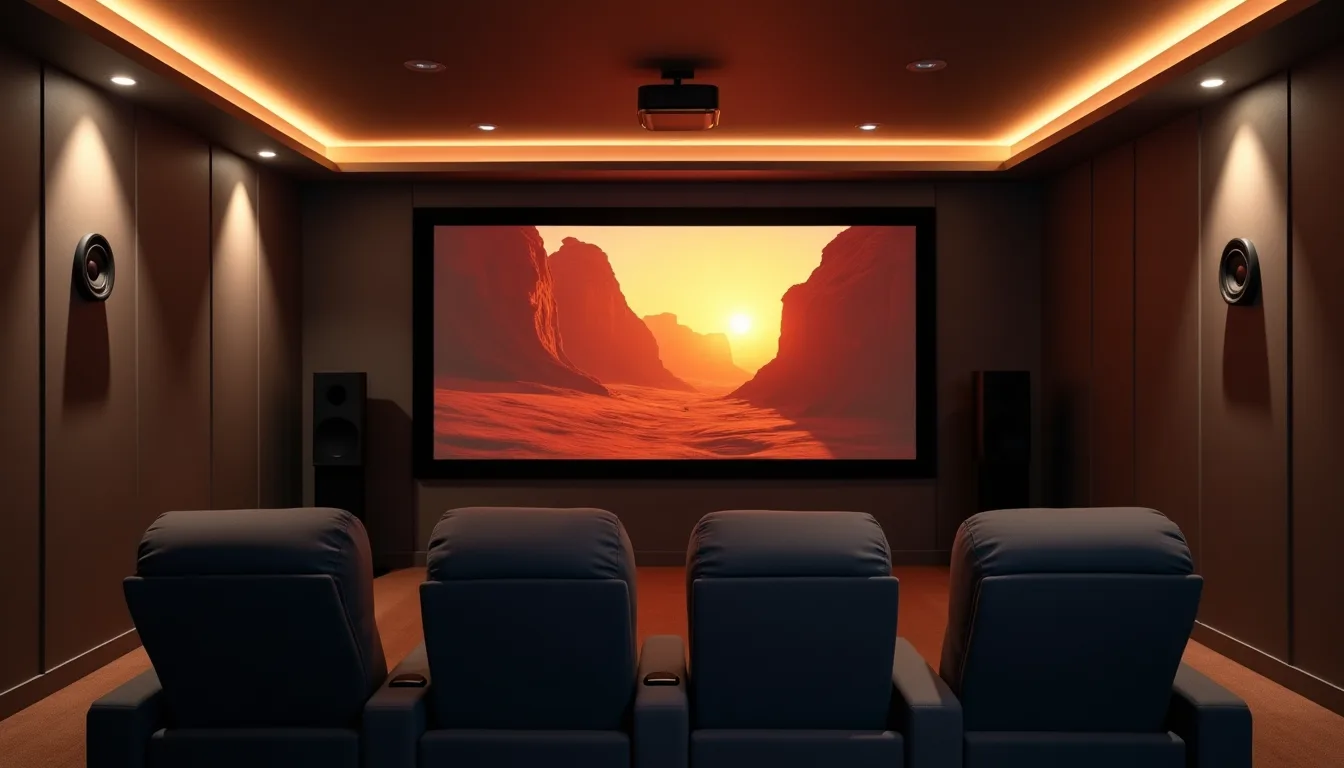
A rear speaker behind you produces sound behind you. There is no processing trick that matches it, and the difference is not subtle when something moves across the room in a film.
The second advantage is that it works for everyone in the room. A soundbar's effect is strongest in the middle seat, while a properly placed surround system holds up across a whole couch. If you usually watch with other people, that is the argument that decides it.
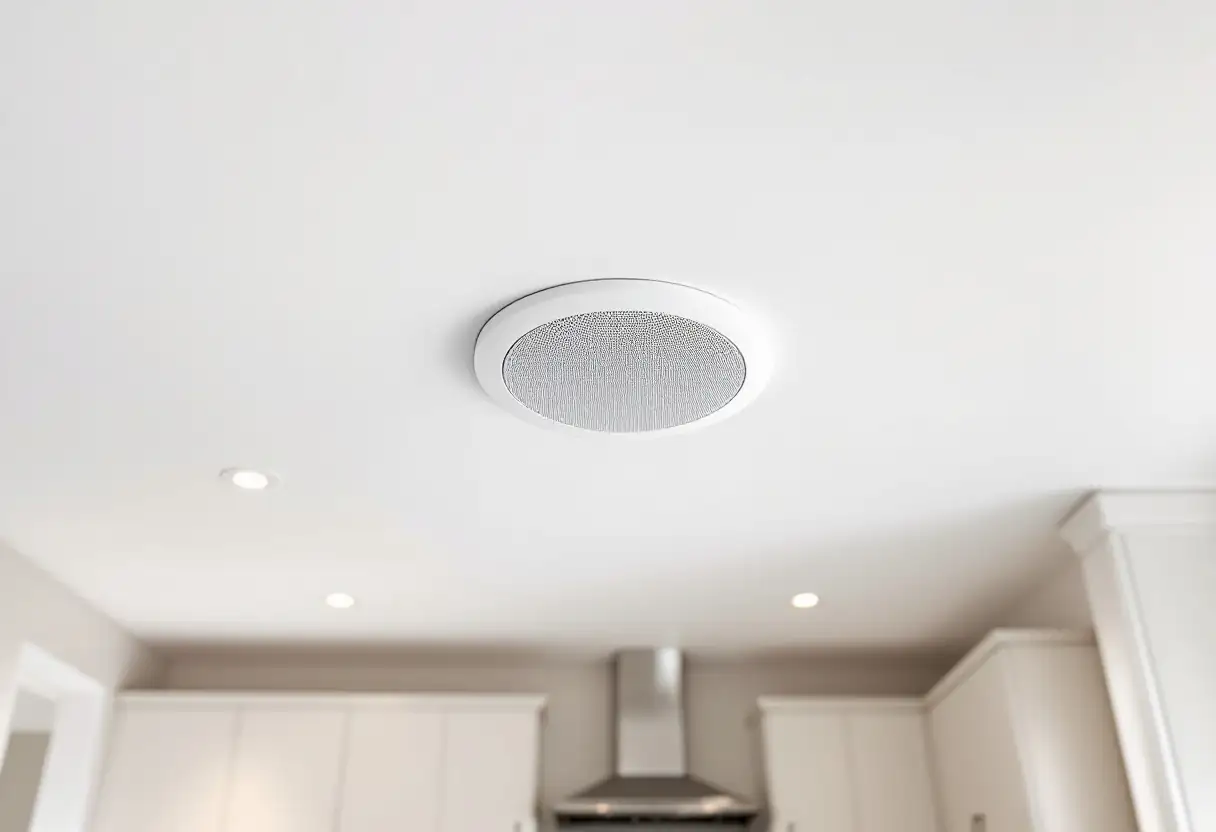
Height is the third. Dolby notes that Atmos height speakers "are either installed in the ceiling of the listening space or are upward-firing speakers that bounce sound off the ceiling." In-ceiling is cleaner and more consistent. Upward-firing depends entirely on a flat, reflective ceiling above them, so if yours is raked, timber-lined or has exposed beams, common enough in Melbourne extensions and Peninsula homes, the height channels lose most of their effect. Worth knowing before you buy a bar that advertises them.
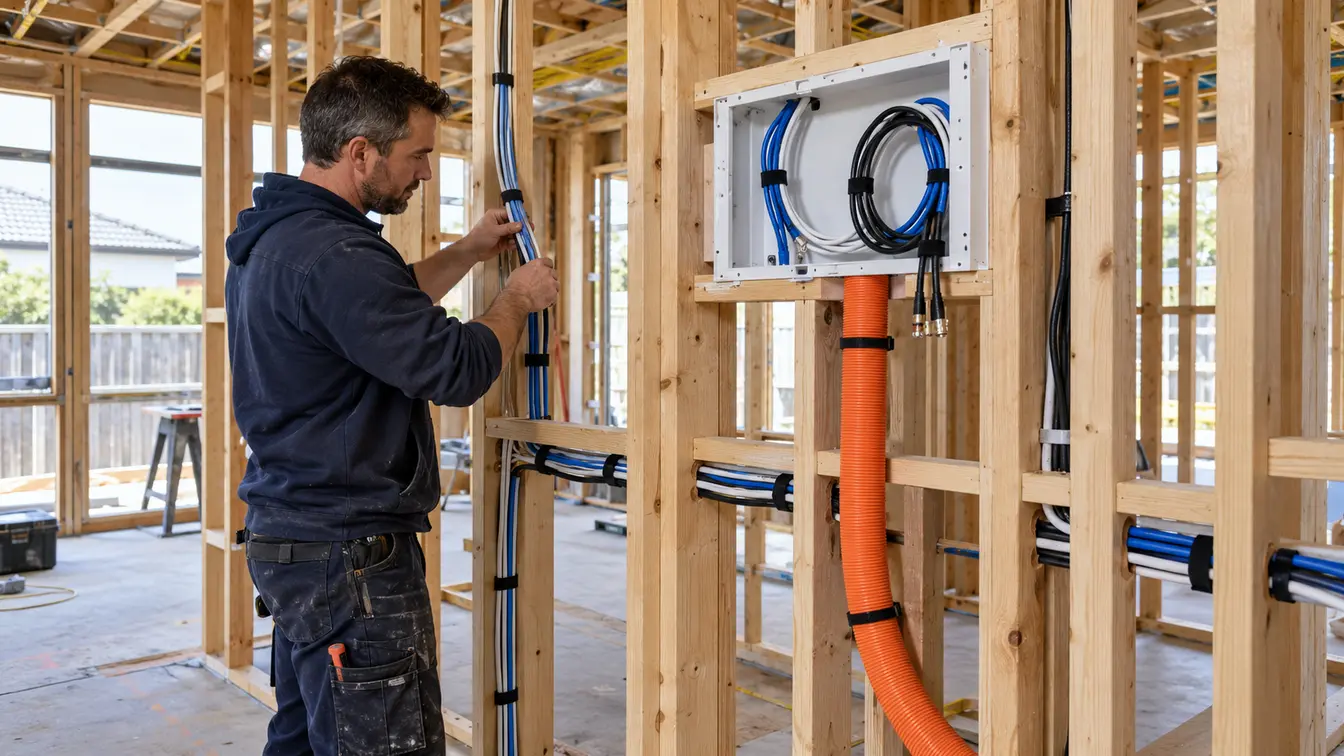
The trade-off is honest: surround needs cable to every speaker position. On a single-storey home with roof access that is straightforward. On a ground floor under a second storey, it can mean more work than the speakers cost, and we would rather say so at the quote than halfway through.
5.1 or 7.1, and the question that settles it
People agonise over this step, and it usually takes ten seconds to answer, because it is a question about your furniture rather than your budget.
In a 5.1 system the two surround speakers sit beside the seating, slightly behind your ears. A 7.1 system splits that job in two: a pair beside you, and a second pair genuinely behind you. Dolby's surround setup guides describe the 7.1 layout as seven main speakers, being left, centre, right, two surrounds and two rear surrounds, plus the subwoofer.
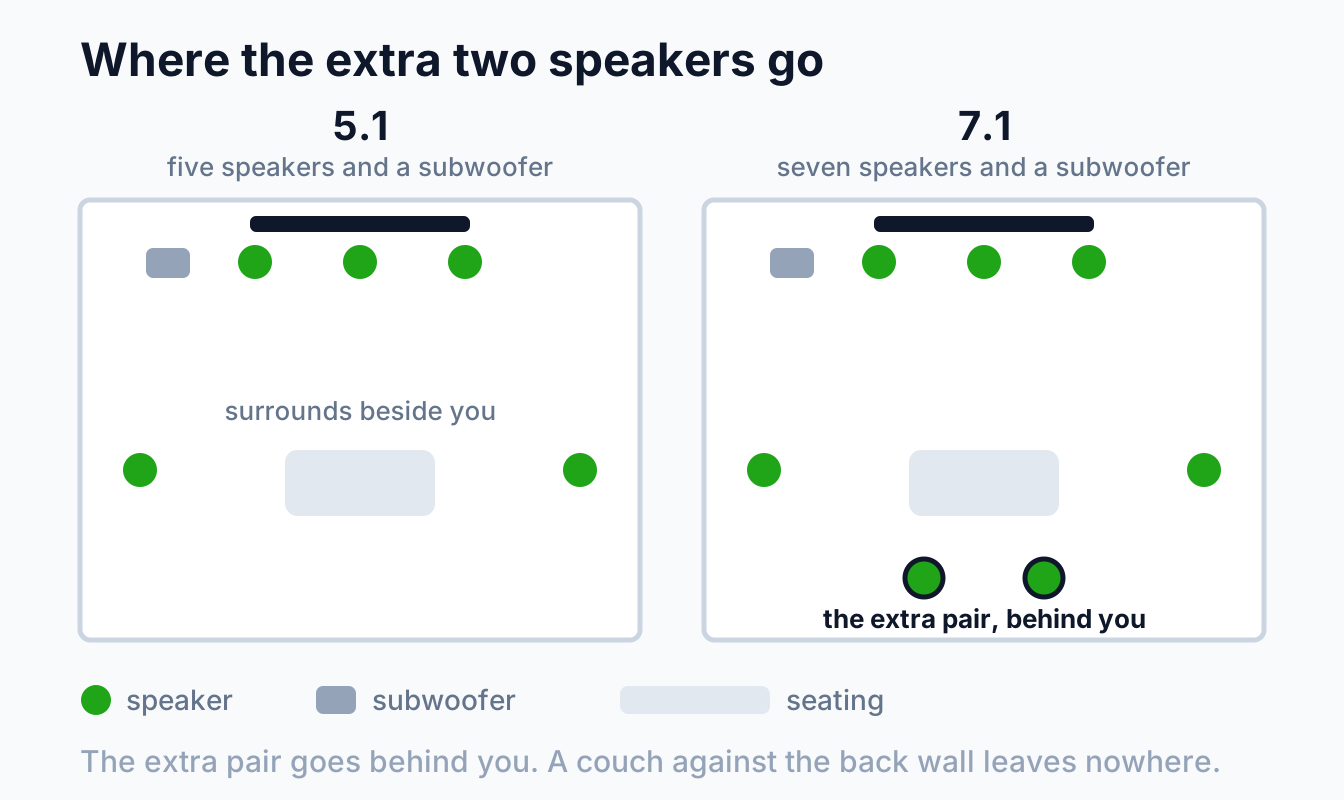
So the question is simply this: is there room behind the couch? If the couch is hard against the back wall, the rear pair has nowhere to go. Mounting them on the wall directly behind people's heads is not a compromise, it is worse than not having them, because sound arriving from a few centimetres away pulls the whole soundstage backwards.
That rules 7.1 out of most Melbourne living rooms, where the couch is against a wall because that is the only place a couch fits. Our guide to speaker placement covers where each one belongs once you have settled the count. It suits a longer room, a dedicated theatre, or a lounge where the seating floats with a walkway behind it.
7.1 also does nothing for the complaint that sends most people looking in the first place. Dialogue comes from the centre speaker, and that is the same in both.
On a fixed budget, five well-placed speakers beat seven badly-placed ones almost every time. The money the extra pair would have cost is better spent on the five you can actually position.
The room decides more than the gear
Melbourne living rooms fall into a few recognisable patterns, and each one points somewhere.
- Open-plan living, kitchen and dining in one space. Common in newer builds and extensions. There is often no wall behind the couch for a rear speaker, and the space is too wide for a soundbar's simulated surround to convince. A soundbar with a separate subwoofer is usually the sensible answer.
- A defined lounge with the couch against a wall. The best case for 5.1. The seating does not move and cable can usually go through the roof space.
- An apartment. Concrete slabs, shared walls and body corporate rules about what you may fix to what. Soundbar territory in almost every case.
- A dedicated theatre room. The one place 7.1 earns its keep. Do the cabling before the plaster goes on, because retrofitting costs several times more, and see planning a home cinema room for the rest of that build. Our home theatre installation page covers how we plan those.
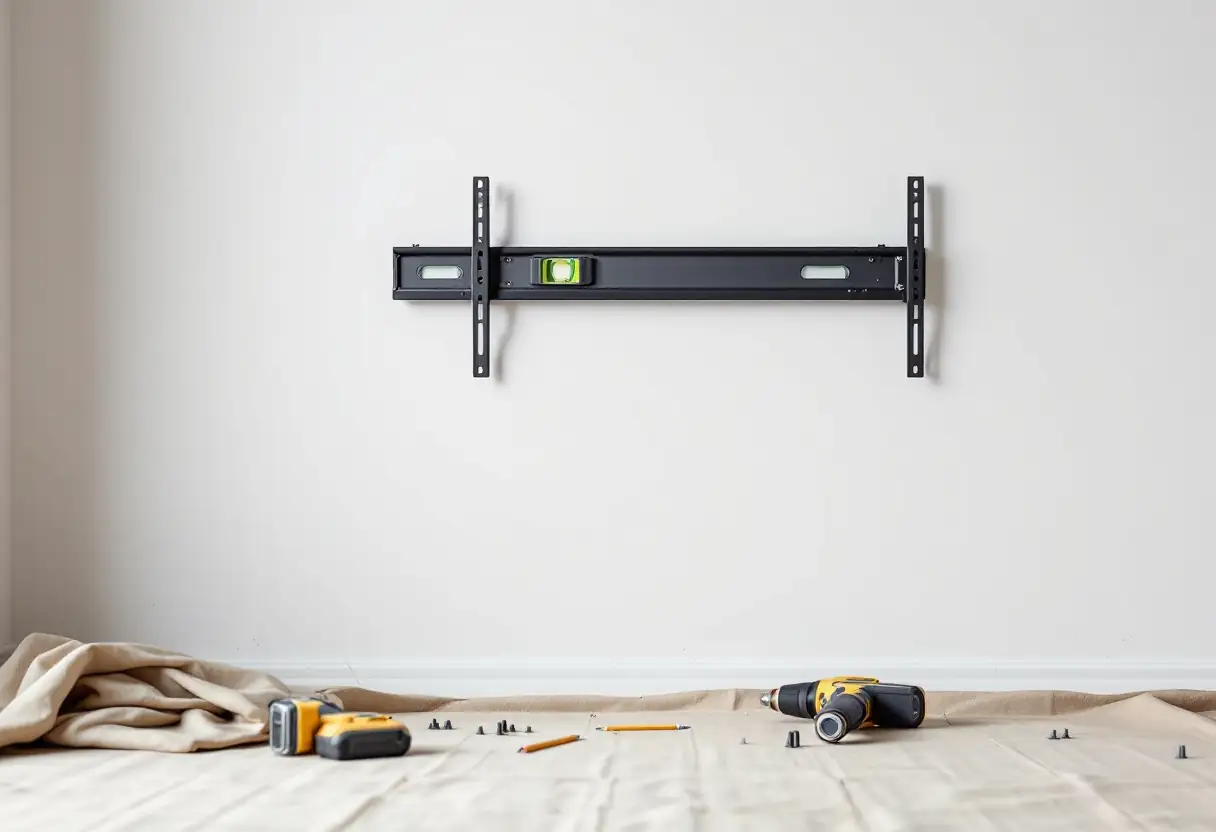
Check where the TV is going early, because a soundbar has to fit under it without covering the screen or the remote sensor. Wall-mounting the bar with the TV keeps the gap consistent, which we cover in our guide to TV wall mounting.
The subwoofer question, and your neighbours
All three usually include a subwoofer, and it is the part people most often get wrong. Bass travels through structure. In a freestanding house it is a non-issue. In an apartment or a townhouse with a shared wall it is the most likely thing to generate a complaint, because the neighbour does not hear your film, they hear a low thump through the floor.
Victoria puts hours around it. Under EPA Victoria's residential noise rules, "electrical audio goods, including stereos, radios, TVs and public address systems" are prohibited from being audible in a neighbour's habitable room before 7am and after 10pm Monday to Thursday, after 11pm on Friday and Saturday, and after 10pm on Sunday, with a 9am start on weekends and public holidays. The same hours apply to a screen or speakers in the backyard, where sound carries a good deal further: we cover that in our guide to installing a TV outdoors.
That is not a reason to skip the subwoofer. It is a reason to place it well, set the level honestly, and consider isolation feet if you share a floor or wall. A properly integrated sub is felt rather than heard, which is what you want and what keeps the peace.
What we would actually fit
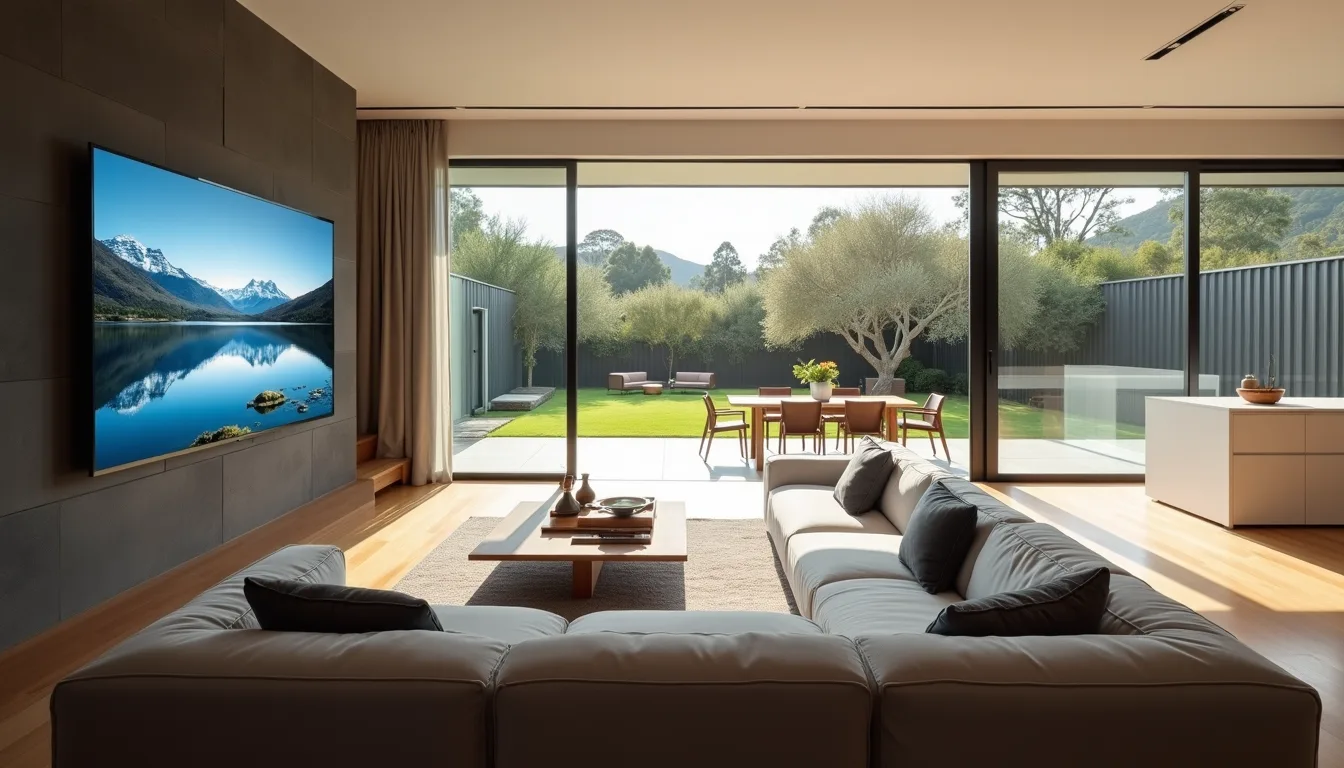
If the complaint is dialogue and the room is open-plan: a soundbar with a separate subwoofer, wall-mounted under the TV. It solves the actual problem without pretending to be a cinema.
If there is a defined room, a settled couch and roof access: a 5.1 system, with height channels added only if the ceiling is flat and we can get speakers into it properly. Once it is in, a measurement pass sets the levels and timing. Our guide to home theatre calibration covers what that does.
If the seating floats clear of the back wall, or the room is a dedicated theatre: 7.1, and it is worth it. That is the room the extra pair was designed for, and in it the difference is obvious rather than theoretical.
If you are renting or in an apartment: a soundbar, and put the money into a better bar rather than a system you cannot cable or will have to leave behind.
If you are building or renovating: run cable to seven positions now even if you fit a soundbar today, because it costs very little while the wall is open and a great deal afterwards. Our home theatre setup checklist puts that in order with everything else, and if you want speakers matched to a serious two-channel setup, that is our hi-fi installation side.
Frequently asked questions
Is an expensive soundbar better than a cheap surround system?
Usually, yes. A good bar is engineered as one thing, where a budget surround package spreads the same money across six speakers, an amplifier and a sub, and compromises every one of them. Below a certain price, separates stop making sense.
Do I need Dolby Atmos?
It is genuinely good when the room supports it and largely wasted when it does not. Flat ceiling at a normal height and settled seating, worth it. Raked or timber-lined ceiling, or an upward-firing bar with nothing above it to reflect off, and you are paying for a feature you will not hear.
Is 7.1 worth it over 5.1?
Only if you have somewhere to put the extra pair. In a room where the couch sits clear of the back wall it is a real improvement in how precisely things move behind you. In a room where it does not, 7.1 is two speakers you have paid for and cannot place, and the same money in five better speakers will sound better.
Can I add rear speakers to a soundbar later?
Some brands sell wireless rear speakers that pair with their own bars, and they work reasonably well. They still need power at the back of the room, which is the practical catch. Check the bar supports it before you buy.
Should I connect it with HDMI or optical?
HDMI, into the port marked ARC or eARC, unless you have a specific reason not to. Optical cannot carry the newer formats and will not let the TV remote control the volume. We compare them in HDMI ARC vs eARC vs optical.
Does a soundbar have to be wall-mounted?
No, sitting it on the media unit is fine as long as it does not block the screen or the remote sensor. Mounting keeps the spacing tidy under a wall-hung TV and stops it being knocked out of line, which is why we suggest it when the TV is already going up.
We install all three across Melbourne and the Mornington Peninsula, and the first thing we do is look at the room rather than the catalogue. Whichever you land on, how the room gets controlled is worth deciding at the same time, and if you want the music to carry on into the kitchen and outside, that is whole-home audio rather than a bigger soundbar. If a soundbar is the right answer for your place, that is what we will tell you, so book a free onsite quote.