Calibration is measurement rather than taste. On the picture side it means getting a television to show what was actually recorded instead of what looks brightest in a shop. On the sound side it means measuring what arrives at your seat and correcting the differences between speakers before the room has its say.
Both halves are worth understanding before you pay anyone for either, because a fair amount of the benefit costs nothing and takes twenty minutes. Here is what changes, what a measurement actually captures, and where a professional genuinely earns the money.
The short answer
- A new television is set up to win under shop lighting, not to be accurate in your lounge.
- Switching picture mode and turning the processing off is free and does most of the work.
- The receiver's microphone measures distance, level and timing, then corrects them.
- Room correction cannot fix speaker placement, and it cannot move your walls.
- A professional brings meters and patterns, and is most worth it in a dedicated room.
Why a new television looks wrong out of the box
Televisions ship in a mode built to stand out on a shop floor: brightness pushed high, white shifted blue because blue reads as crisp, colour turned up, sharpening applied, and motion smoothing on. Under fluorescent light beside thirty other screens that wins. In a lounge at night it is exhausting, and it is not what anybody making the content saw.
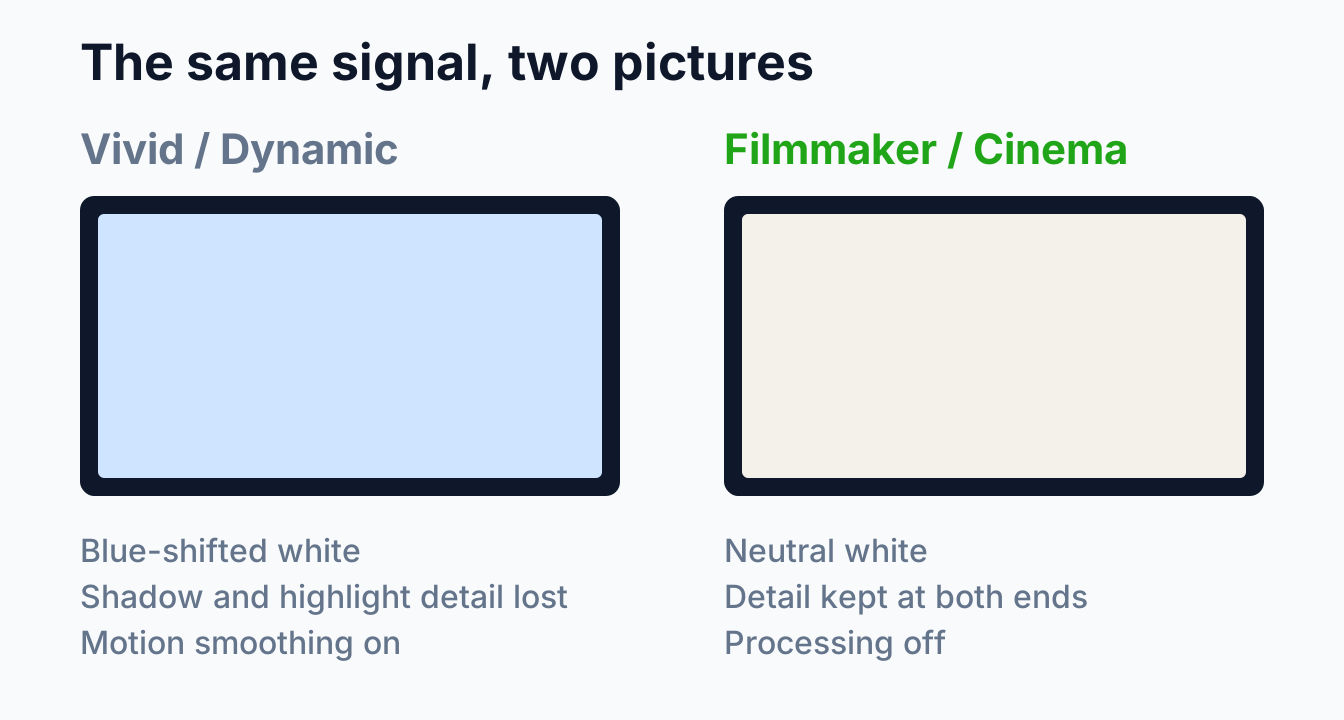
The industry's own answer to this is Filmmaker Mode, agreed between manufacturers, studios and the UHD Alliance. Their description of it is straightforward: "By disabling all post-processing (e.g. motion smoothing) and preserving the correct aspect ratios, colors and frame rates, Filmmaker Mode enables your TV to display the movie or television show's content precisely as it was intended by the filmmaker."
Motion smoothing is the setting most people notice once it is named. It invents frames between the real ones so that panning looks fluid, and the side effect is that film stops looking like film and starts looking like daytime television. Some people like it. Nobody who made the film does.
What a picture calibration actually does
Choosing the right mode is the first ninety per cent, and you can do it yourself. Filmmaker, Cinema or Movie will be far closer to correct than Vivid, Dynamic or Standard, and the difference is obvious within a minute of watching.
Calibration proper goes further. A meter reads what the panel is actually putting out (how neutral white is across the brightness range, how accurate the primary colours are, how the picture tracks from black to peak white), and the display's controls are adjusted until the measurements land on the reference the content was mastered to.
It also sets the picture for the room you have rather than a laboratory. A screen in a west-facing lounge with afternoon light needs different settings from one in a dark cinema room, which is why the same television calibrated in two houses ends up in two places.
Worth being honest about the returns. On a well-made screen in Filmmaker Mode, calibration is a refinement rather than a transformation. On a screen that is drifting, or in a room with a controlled light level and a projector, it is the difference between good and right.
What the microphone is doing
The audio half is more mechanical and the gains are larger, because it fixes things you cannot fix by ear.
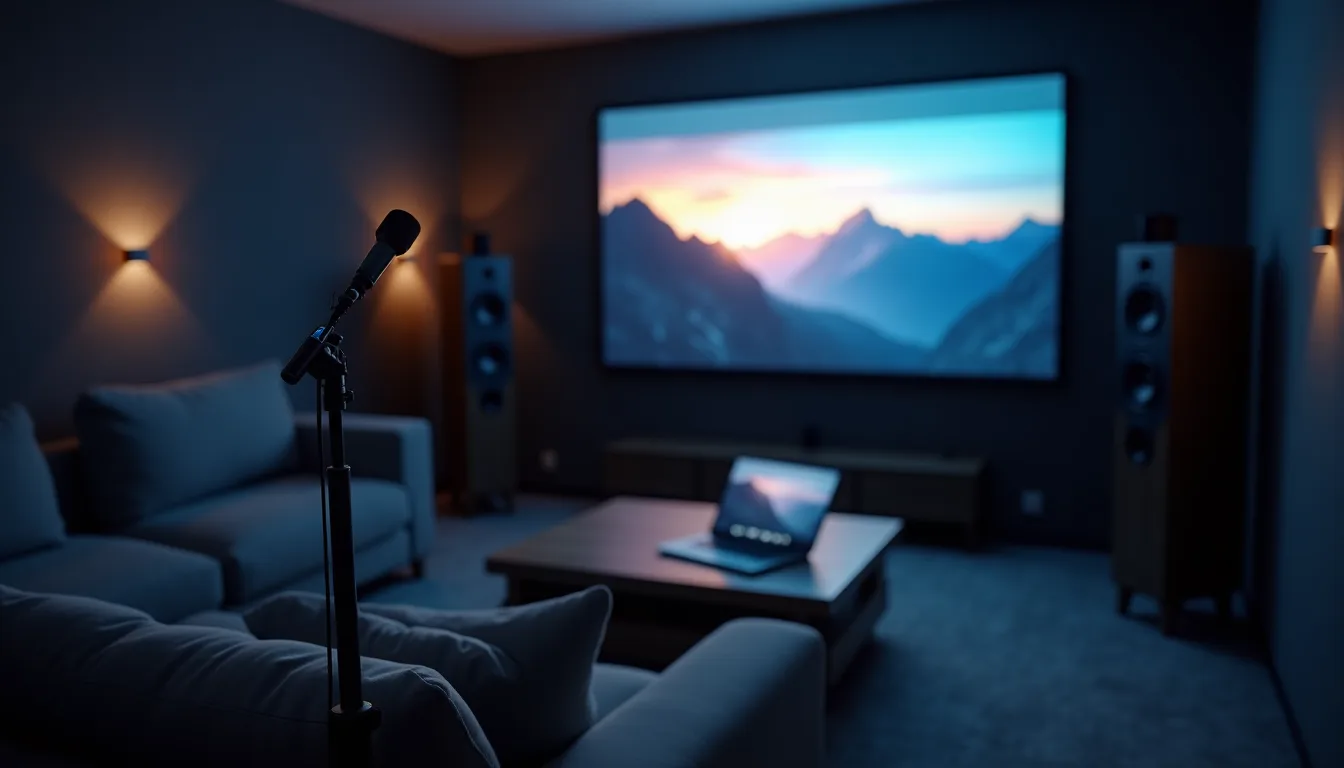
You plug the supplied microphone into the receiver, put it where your head goes, and it plays test tones through each speaker in turn. Denon's description of how Audyssey works covers what is being captured: the system calculates the distance from each speaker to the listening positions, identifies level differences between speakers and evens them out, and works out the right crossover point to hand bass over to the subwoofer.
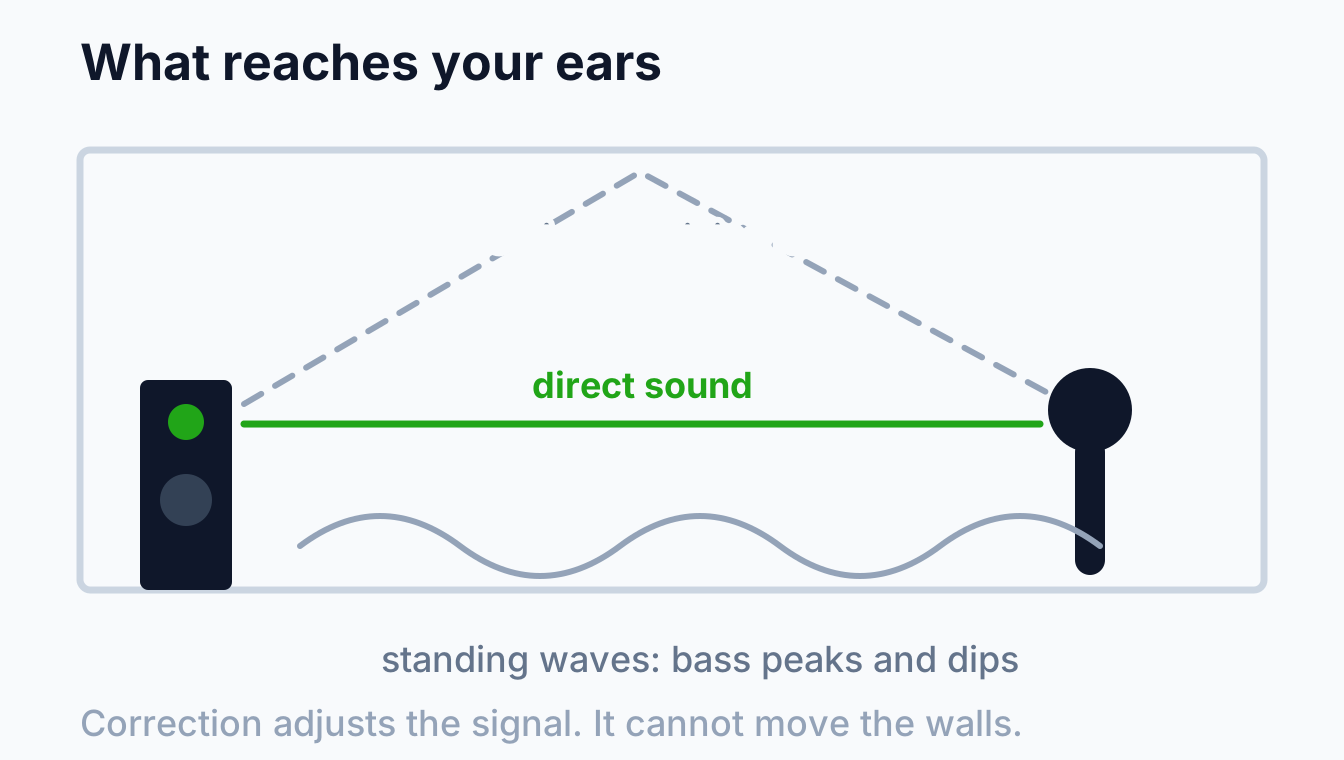
Two of those matter more than people expect. Distance becomes timing: if the left speaker is a metre closer than the right, its sound arrives first, and the receiver delays it so both reach you together. Crossover decides where your speakers stop and the subwoofer starts, and getting it wrong leaves either a hole or a hump in the middle of the bass.
Take the measurement seriously and it works well. The microphone belongs on a tripod at seated ear height, not in your hand or on a cushion, the room should be quiet, and most systems want several positions covering where people actually sit rather than one.
What correction cannot fix
Room correction adjusts the signal going to your speakers. It does not change the room, and that limit explains most disappointment with it.
It cannot fix placement. A surround speaker on the back wall instead of beside you is in the wrong place, and no amount of equalisation moves it, which is why we treat speaker placement as the job to get right before anything is measured.
It struggles with reflections. Sound bouncing off a bare wall or a glass slider arrives a fraction after the direct sound, and because the two are the same signal at different times, turning one down turns the other down with it. Soft furnishings, a rug and curtains do what EQ cannot.
It only partly tames bass. Long wavelengths interact with the room's dimensions and produce peaks and nulls that vary from seat to seat. Correction can pull a peak down usefully. It cannot fill a null, because the energy simply is not there at that spot. Moving the subwoofer is the real fix.
Twenty minutes, no equipment
Before anyone books a technician, this is what we would tell a customer to do first.
- Switch the television to Filmmaker, Cinema or Movie mode, and do it for every input.
- Turn motion smoothing off: it hides under names like Motionflow, TruMotion, Motion Interpolation or Clear Motion.
- Turn off dynamic contrast, noise reduction and any "eco" mode that changes brightness as the picture changes.
- Set backlight or brightness for the room and time you actually watch, then leave it.
- Run the receiver's auto setup with the microphone on a tripod at ear height, in a quiet house.
- Check the distances it reports against reality. A speaker listed at eleven metres in a five-metre room means it measured a reflection, so run it again.
- Re-run it after moving furniture or a speaker. The old measurement describes a room you no longer have.
Do all of that and most systems land close enough that the remaining gap is genuinely a matter of refinement.
Where a professional earns it
The case for paying someone is strongest where the equipment cannot see the problem itself. A meter and test patterns show what the panel is really doing rather than what the menu claims. Auto-EQ results get checked rather than trusted, which matters because the automatic pass sometimes gets a distance or a crossover plainly wrong. Subwoofer integration (position, phase and level) is measured rather than guessed. Rooms with two rows of seats need decisions about who the compromise favours.
Projectors are the clearest case of all, because screen size, throw and ambient light interact, and there is no shop-floor default that suits a specific room. A dedicated cinema room is where calibration pays for itself most obviously; a soundbar in a bright open-plan living area is where it pays least, and we would rather say so. The trade-offs are in our comparison of soundbars and surround sound.
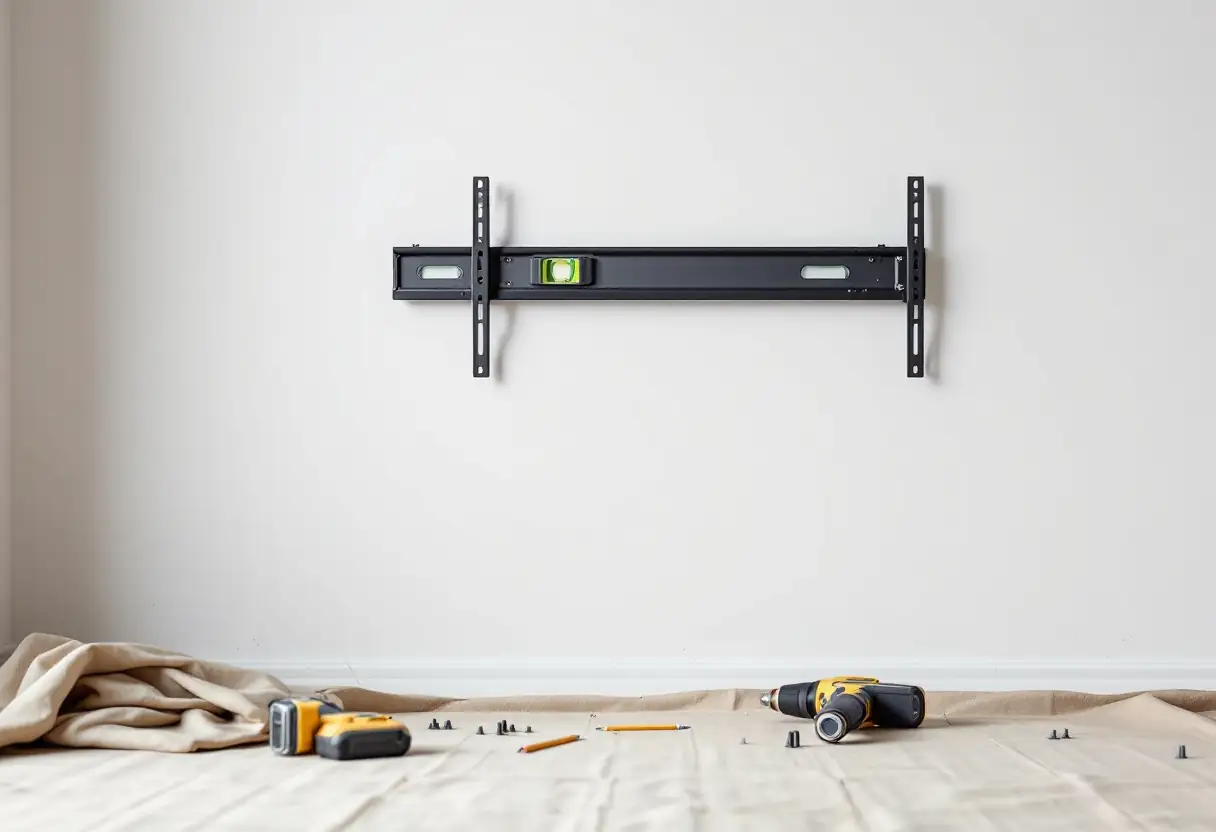
One more thing worth settling first: if the screen is at the wrong height, no calibration improves the experience of craning at it. Our guide to what height a TV should be mounted at is the cheaper fix.
Frequently asked questions
Will calibration make my picture brighter?
Usually the opposite, and correctly so. A calibrated picture often looks dimmer and warmer for the first day because your eyes have adjusted to a blue-shifted image. Give it a couple of evenings before judging.
Does my TV lose the settings when I change input?
On many sets picture mode is stored per input, so the mode you fixed for streaming may not apply to the antenna or the console. Check each one.
Is running Audyssey enough on its own?
For most living rooms, close. It is worth checking the distances and levels it came up with, and worth re-running it whenever the furniture changes, but the automatic pass does the heavy lifting.
How often should it be redone?
Sound, whenever the room or the system changes. Picture, every few years: panels drift with age, and projector lamps drift faster.
Can you calibrate a soundbar?
Some have their own room-measurement routine, and it is worth running. Beyond that there is little to adjust, which is part of the trade you make when you choose one.
The honest summary is that most of the improvement is free, and the rest is measurable rather than magical. We set up and calibrate systems across Melbourne and the Mornington Peninsula, and we are happy to tell you when twenty minutes with your own remote will get you most of the way. Once the room is right, integrating it with the rest of the house is the sensible next step. Have a look at our home theatre installation page, or book a free onsite quote and we will listen to the room first.