Ask what a home theatre costs and you will get answers ranging from a few hundred dollars to six figures. Both ends are correct. They are answers to different questions.
One is "what will you charge to install the equipment I already own". The other is "what does a finished room cost, everything in". Nearly every argument about home theatre pricing is really two people using the same phrase for those two things, so this guide separates them and gives ranges for each.
Which question are you asking
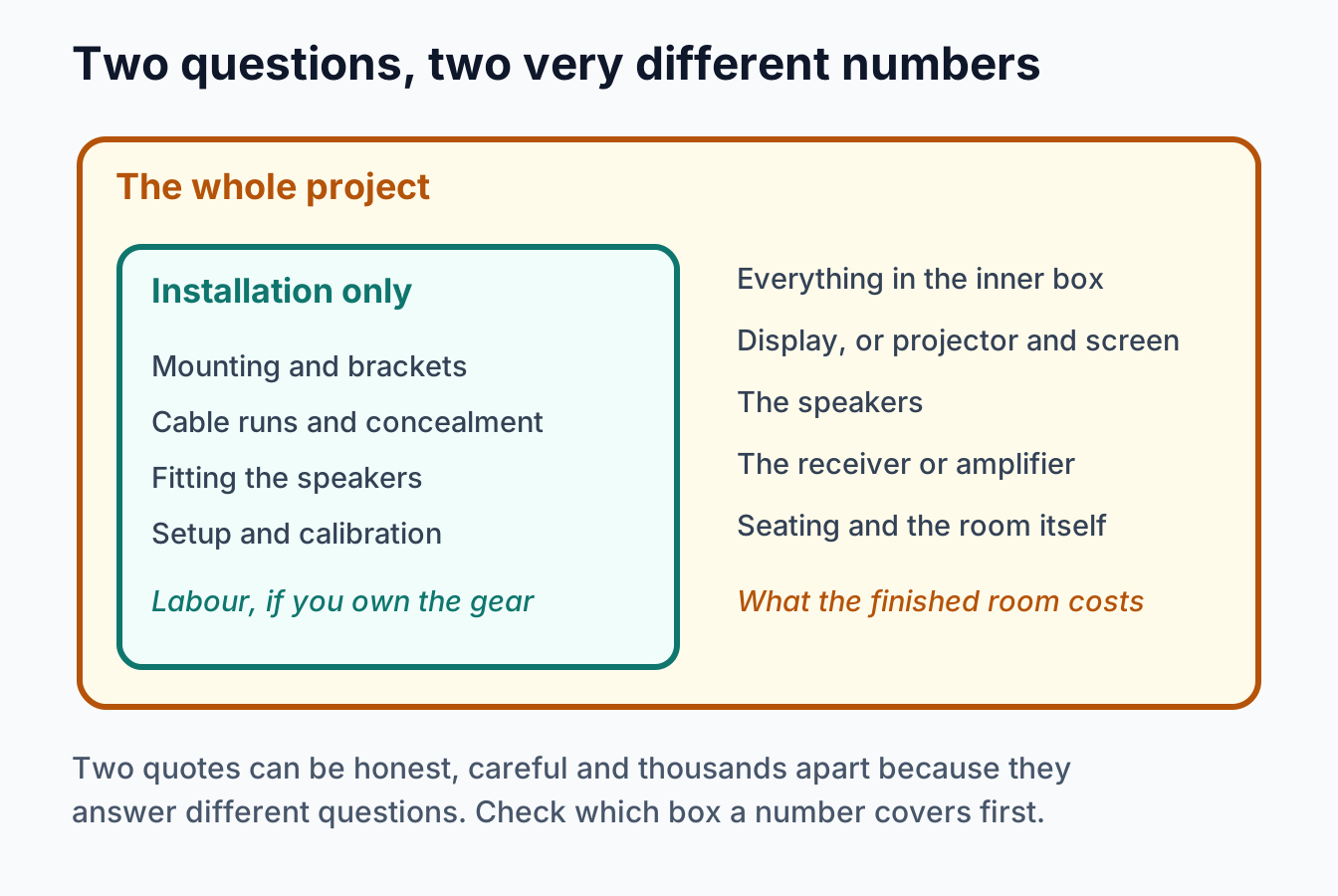
Two quotes can be honest, careful and thousands of dollars apart because one covers the inner box and one covers both. Before comparing any two numbers, work out which box each of them is answering.
Installation labour on its own
These are the ranges you would expect if the equipment is bought or already sitting in the room, and you are paying for the work.
| Installation service | Typical Melbourne range |
|---|---|
| Basic connection, setup and calibration | $150 to $400 |
| TV, or projector and screen, installed | $300 to $1,500 |
| Surround sound installation | $400 to $1,500 |
| In-wall or in-ceiling speaker installation | $500 to $2,000 and up |
| Concealed cable run | $100 to $400 per run |
| Wall or ceiling mounted speaker | from about $180 each |
| Motorised screen mounted | from about $495 |
| Installer labour, charged hourly | about $90 to $150 per hour |
The whole project, equipment included
This is the number people usually mean when they ask what a home theatre costs.
| What you are building | Typical total investment |
|---|---|
| TV and soundbar, set up properly | $500 to $2,000 |
| Entry level 5.1 in a living room | $2,500 to $5,000 |
| Mid range projector room, or Dolby Atmos | $5,000 to $12,000 |
| Fully installed specialist package | $9,000 to $15,000 and up |
| Dedicated cinema room, purpose built | $15,000 to $50,000 and up |
| Bespoke luxury cinema | $50,000 to $100,000 and up |
Both tables are indicative ranges rather than a price list. Every house and every system is different, and the point of publishing ranges is to help you set a realistic budget and compare quotes properly, not to promise a number before anyone has seen the room.
The short answer
- Installation labour alone is usually a few hundred dollars for a straightforward job and low thousands for in-wall work.
- A complete living room surround system, equipment and installation together, most often lands between $2,500 and $5,000.
- The single biggest cost driver is whether the walls are open or closed.
- Speakers and their placement do more for the result than electronics do, and should be the last thing you economise on.
- The costs that surprise people are the electrician, the cable runs and the calibration, not the equipment.
What actually drives the labour number
The spread on those first rows is wide for a reason, and it is nearly always the same handful of reasons.
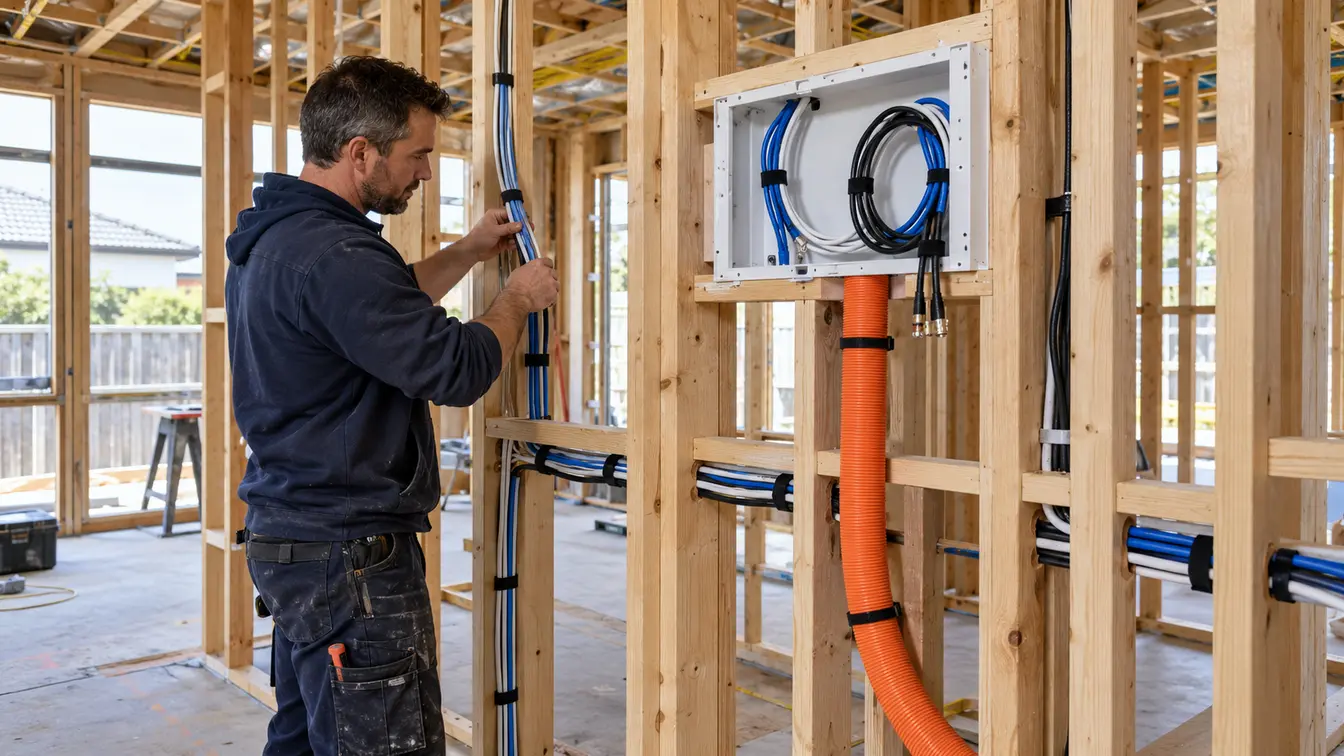
Open walls or closed walls. This is the big one. During a build or a renovation, running speaker cable to five positions is quick and cheap. Doing the same thing in a finished house means fishing cable through cavities, working around noggins and insulation, and patching afterwards. The identical system can differ by a factor of several purely on this.
What the walls and ceilings are made of. Timber stud with an accessible roof space above is the easy case. Double brick, concrete, a ground floor room with a bedroom above it, or a rendered finish nobody wants cut all push the same job upward. Our guide to hiding cables behind a wall-mounted screen covers what is involved.
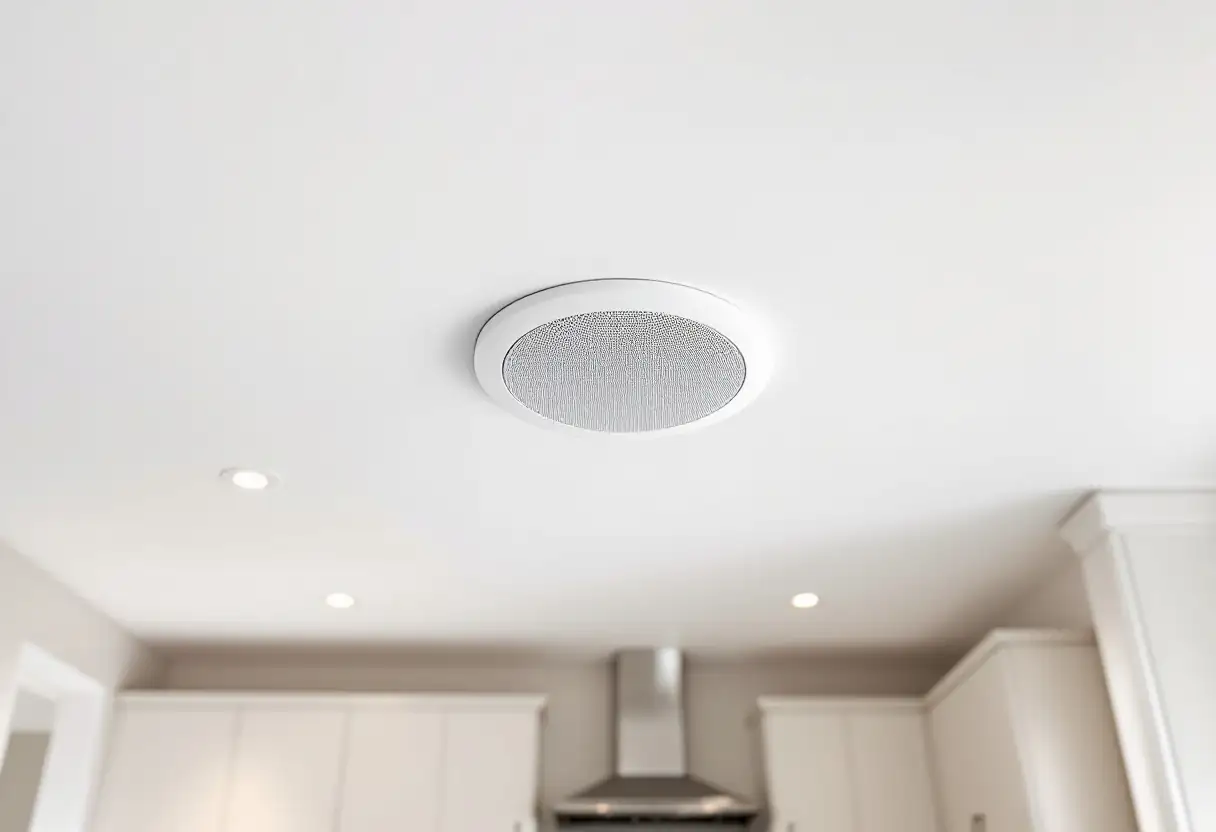
In-wall against on-wall speakers. A bracketed speaker on a wall is quick. An in-ceiling speaker means a hole cut accurately, cable pulled to it, a mounting ring, and a finish that looks deliberate rather than repaired.
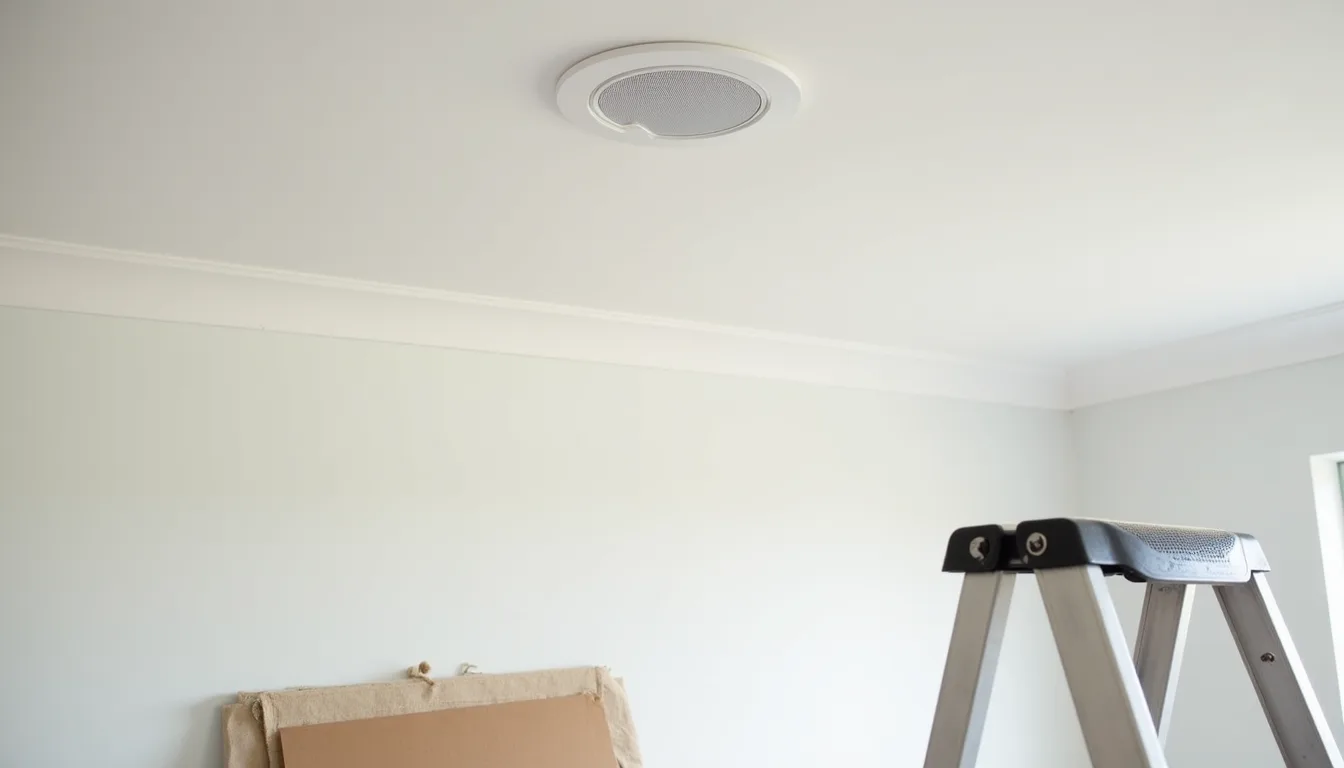
That is what the $500 to $2,000 row is: not the speakers, the work of putting them into the building. It is also the row that is cheapest by an enormous margin if it happens before the plaster goes on.
How far the equipment is from the screen. A receiver in a cabinet under the television is a short cable. A rack in a cupboard down the hall, which is the quiet and tidy answer, means longer runs and often a different class of cable.
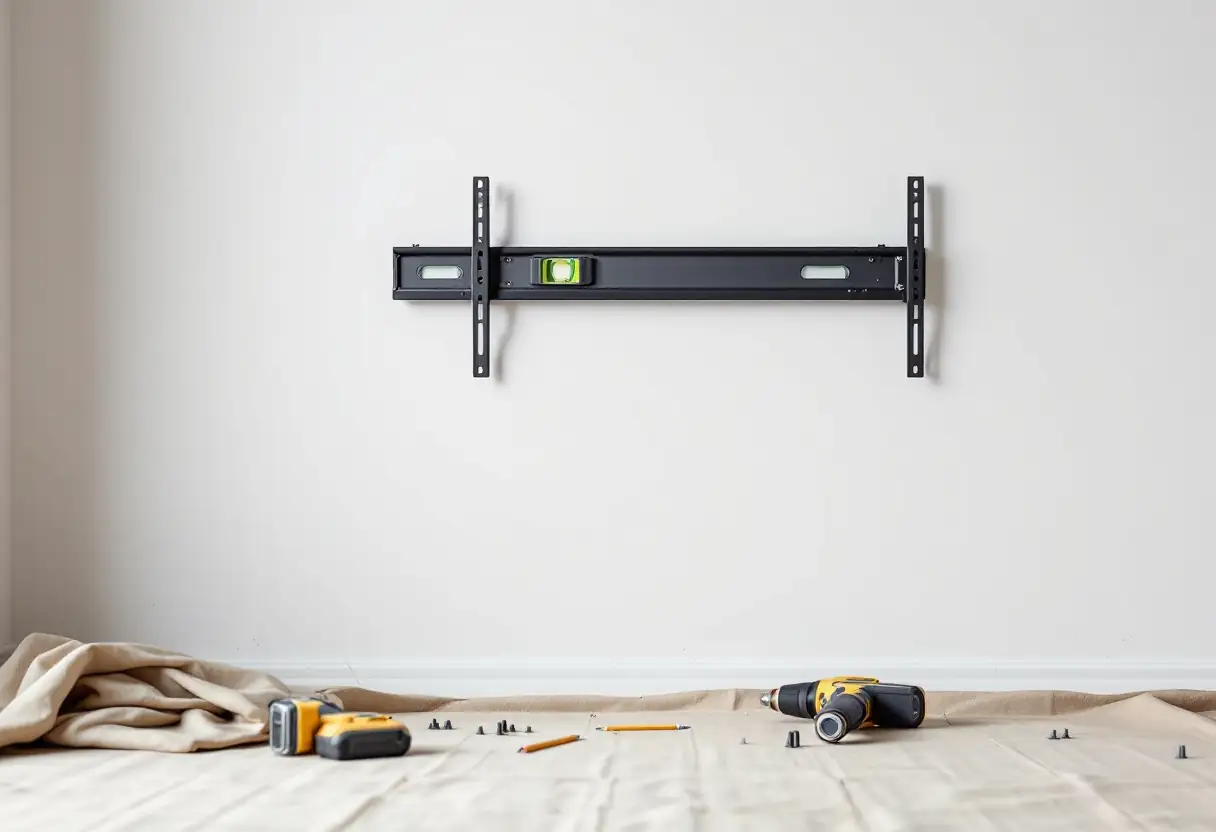
Height and access. A projector on a ceiling, a screen above a fireplace or a room with a raked ceiling all take longer and need more equipment than the same job at chest height.
Where the money goes in the system itself
The second table has a wider spread than the first, and how you spend within a band matters more than which band you pick.
Speakers first, electronics last. Speakers are what you hear. A receiver's job is to drive them and switch inputs, and beyond a certain point extra spend there buys features rather than sound. If the budget is fixed, weight it towards the speakers and their positions.
Placement is free and worth more than an upgrade. The same speakers in the right positions beat better ones in the wrong ones, reliably. That is not a saying, it is what a measurement shows, and it is why we spend time on it. Our guide to home theatre speaker placement is the practical version.
Channel count is decided by the room, not the budget. Going from 5.1 to 7.1 only helps if there is somewhere sensible for the extra pair to live, and adding overhead channels for Atmos needs a ceiling that can take them. Dolby publishes its Atmos speaker layouts, and it is worth checking your room against them before paying for channels you cannot place. We work through the comparison in soundbar versus 5.1 and 7.1.
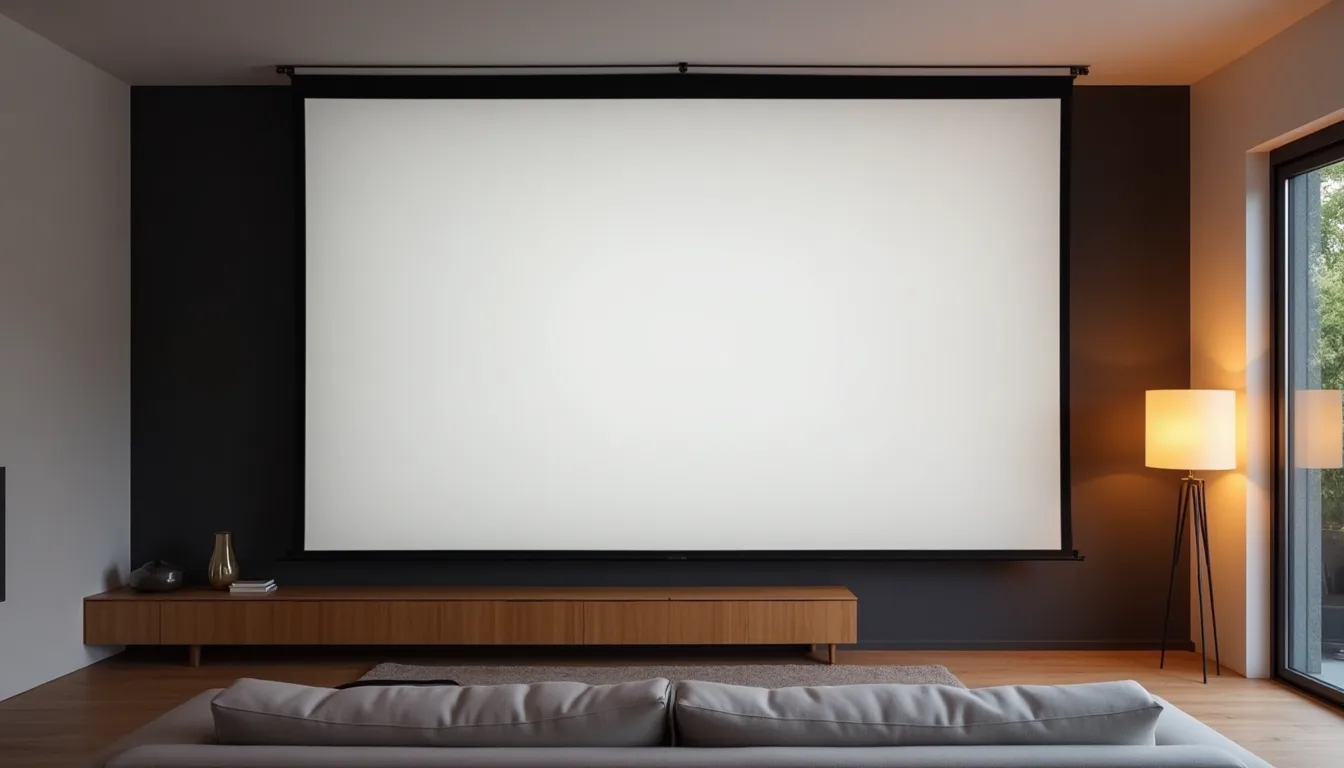
Projector or television. A projector plus screen is often less than a very large television for the same image size, but it only makes sense in a room you can darken, and the screen and the mounting are part of the cost rather than an accessory. Our projectors and screens page goes through the geometry that decides it.
The room is part of the system. In the upper bands, a growing share of the money goes into the room rather than the equipment: acoustic treatment, light control, seating, a riser. That is not indulgence. It is the part that a better amplifier cannot substitute for, and we go through it in planning a home cinema room.
The costs that get left out of quotes
These are the items that turn an agreed number into a larger one, and they are worth raising before you sign rather than after.
The electrician. A new power outlet behind a screen or at a projector position is electrical work. Energy Safe Victoria is direct that it is not a job to do yourself, and it is a separate trade with its own cost.
Who is allowed to run the cabling. Fixed communications cabling is regulated: the ACMA requires that "To work as a cabler in Australia, you must be registered." Speaker cable is not in that category, but a quote that is vague about who does what is worth a question.
Conduit and spare capacity. Adding conduit with a draw string during the work costs very little. Not having it is what makes the next change expensive, and it is the most common thing we wish had been done on rooms we are called back to.
Calibration. Sometimes included, sometimes a line item, occasionally not offered at all. It is the step that makes the difference between connected and working, and skipping it wastes a proportion of everything else. Our page on what calibration actually does explains why.
Making it usable by everyone. A system that only one person can operate is a system that gets used on weekends. Getting it onto one button is its own small project, covered in smart home and home theatre integration.
The antenna, if free-to-air matters. Easy to forget in a home theatre budget and separate work with its own pricing, which we set out in our antenna installation cost guide.
How to compare three quotes properly
Most people collect three numbers and pick the middle one. A better method takes ten minutes and tells you far more.
- Ask which box each quote covers. Labour only, or equipment and labour. This alone explains most large gaps.
- Check the channel count and the speaker positions match. A 5.1 quote and a 5.1.2 quote are not the same room.
- Look for cable runs as a line item. If concealment is assumed rather than priced, it will be found later.
- Ask what happens to the walls. Who patches, who paints, and what the finish will look like.
- Ask whether calibration is included and what that word means to them, since it ranges from running an automatic room correction to a proper measured setup.
- Ask what is not included. The most useful question on this list, and the answers separate quotes quickly.
A quote that is meaningfully cheaper than two others is usually not better value. It is usually a smaller scope, and the difference reappears as a variation once the work has started.
Where to spend and where to save
If the budget is tight, it should be tight at a particular end.
Worth the money. Cabling and conduit while the walls are open, because it is the only part that cannot be redone cheaply. Speakers and their placement. Light control if you are using a projector. Calibration at the end.
Safe to economise. The receiver, within reason. The number of channels, if the room cannot place them. Seating, which can be upgraded any time. The display, which will be cheaper and better in three years and is the easiest single thing to replace.
Worth staging. A great deal of this can be done in phases as long as the infrastructure goes in first. Run every cable, put in conduit, sort the power, then add equipment as you go. Doing it the other way round is what makes a staged project cost more than a single one. Our home theatre setup checklist sets out the order.
Frequently asked questions
How much does home theatre installation cost in Melbourne?
For labour alone, a basic setup and calibration is typically $150 to $400, a television or projector and screen installation $300 to $1,500, and surround sound installation $400 to $1,500. In-wall or in-ceiling speaker work starts around $500 and rises with the number of speakers and the difficulty of the building. Those are ranges rather than quotes, and the accurate number comes from looking at the room.
What does a complete home theatre cost, equipment and all?
A television and soundbar done properly is $500 to $2,000. An entry level 5.1 living room system is commonly $2,500 to $5,000, a mid range projector or Atmos room $5,000 to $12,000, and a purpose built dedicated cinema room runs from around $15,000 upwards depending on the room and the finish.
Why are two quotes for the same job so different?
Almost always because they cover different scopes. One includes equipment and the other does not, or one prices concealed cabling and the other assumes surface mounting. Ask each what is excluded and the gap usually explains itself.
Is it cheaper if I buy the equipment myself?
Sometimes, and it is a perfectly reasonable way to do it. What you give up is a single point of responsibility if something does not work, and the chance to have the equipment matched to the room before it is bought. We are happy either way, and will tell you honestly if what you have chosen will not do what you want.
Can I do it in stages?
Yes, and it is often the sensible approach. The rule is that anything inside a wall or ceiling goes in first, because that is the part staging cannot rescue. Cable, conduit and power now, equipment as the budget allows.
Do you charge for a quote?
No. Onsite quotes are free, and that includes telling you when a smaller system would suit the room better than the one you were planning.
The honest summary is that installation labour for most living room systems is in the hundreds, a complete surround setup is most often a few thousand, and the numbers above that belong to dedicated rooms where the building work is part of the cost. Knowing which of those you are actually asking about is most of the battle, and it makes comparing quotes a great deal easier. We design and install home theatre systems across Melbourne and the Mornington Peninsula, in finished houses and in builds where nothing is closed up yet. Have a look at our home theatre installation page, or book a free onsite quote and we will give you a number for your room rather than a range.