In a house, the only question is what the wall is made of. In an apartment there are two questions, and the first one has nothing to do with the wall.
It is whether the wall is yours. Get that right and the rest is ordinary work. Get it wrong and you have drilled into something the building owns collectively, which is a conversation nobody enjoys.
The short answer
- Your apartment is a lot, and its boundaries are set out in the plan of subdivision, not by where the paint stops.
- Internal walls inside your lot are usually yours. Structure, party walls and the slab usually are not.
- Read your owners corporation rules before you read a bracket manual.
- Apartment walls are often steel stud or concrete, and neither behaves like the timber frame most brackets assume.
- There is rarely a cavity for cables, so decide the cable route before anything goes on the wall.
Whose wall is it?
Buying an apartment does not buy you a box of air with walls around it. Consumer Affairs Victoria puts it plainly: on the plan of subdivision your apartment is described as a lot, and the boundaries of your apartment are set out in that plan. You also own a share of the common property, as a tenant in common with every other owner in the building.
That matters here because the plan decides where your lot stops. It might stop at the inner face of the plaster, or it might take in the wall itself. Two buildings on the same street can differ, which is why a general rule is worth less than five minutes with your own plan.
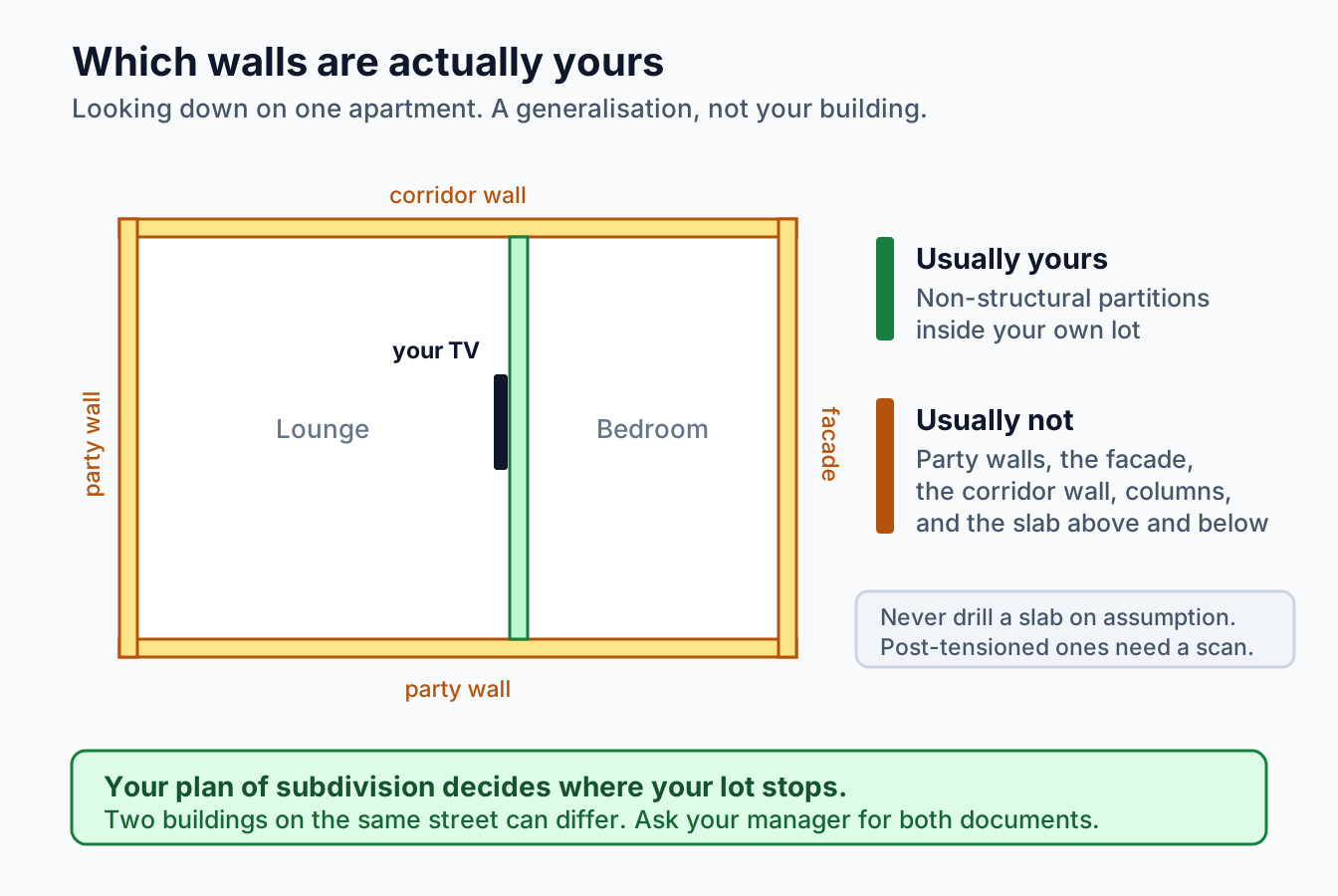
As a working generalisation, and only that:
Usually yours. Non-structural partitions inside your apartment, the ones dividing your lounge from your bedroom. Consumer Affairs Victoria notes that lot owners are responsible for maintaining and repairing their own apartment, which is the same boundary viewed from the other side.
Usually not yours. The wall you share with next door, the external facade, columns, and the concrete above and below you. These tend to be common property or structure, and the owners corporation is responsible for them.
The honest answer to which is which is in your plan of subdivision and your owners corporation rules, and your manager can send you both. We are installers rather than lawyers, so treat this as the question to ask rather than the answer.
What the owners corporation can require
Owners corporations can make rules, and Consumer Affairs Victoria sets out what those rules can cover, including the use of common property, noise, and the behaviour of residents and their contractors. Buildings vary enormously in how much they exercise that.
One requirement is worth knowing because it surprises people. Under the rules for individual lots, an owner must notify the owners corporation 14 days before starting renovations, and 14 days before applying for a building or planning permit, because renovation work can disrupt or affect the security of other residents.
Whether a television bracket counts as renovation is a matter for your building rather than for us. In most places a few screws into your own partition wall sits well below that line. In a building with strict rules, or where the work touches anything common, it may not. The five minute version is to ask the manager in writing, describe what you are actually doing, and keep the reply.
Things buildings commonly do have rules about, in our experience: what hours noisy work may happen, whether contractors must provide insurance details before they are let in, whether the lift must be booked and protected, and what may be fixed to anything shared.
What apartment walls are actually made of
Most bracket instructions quietly assume a timber-framed house. Apartments frequently are not one.
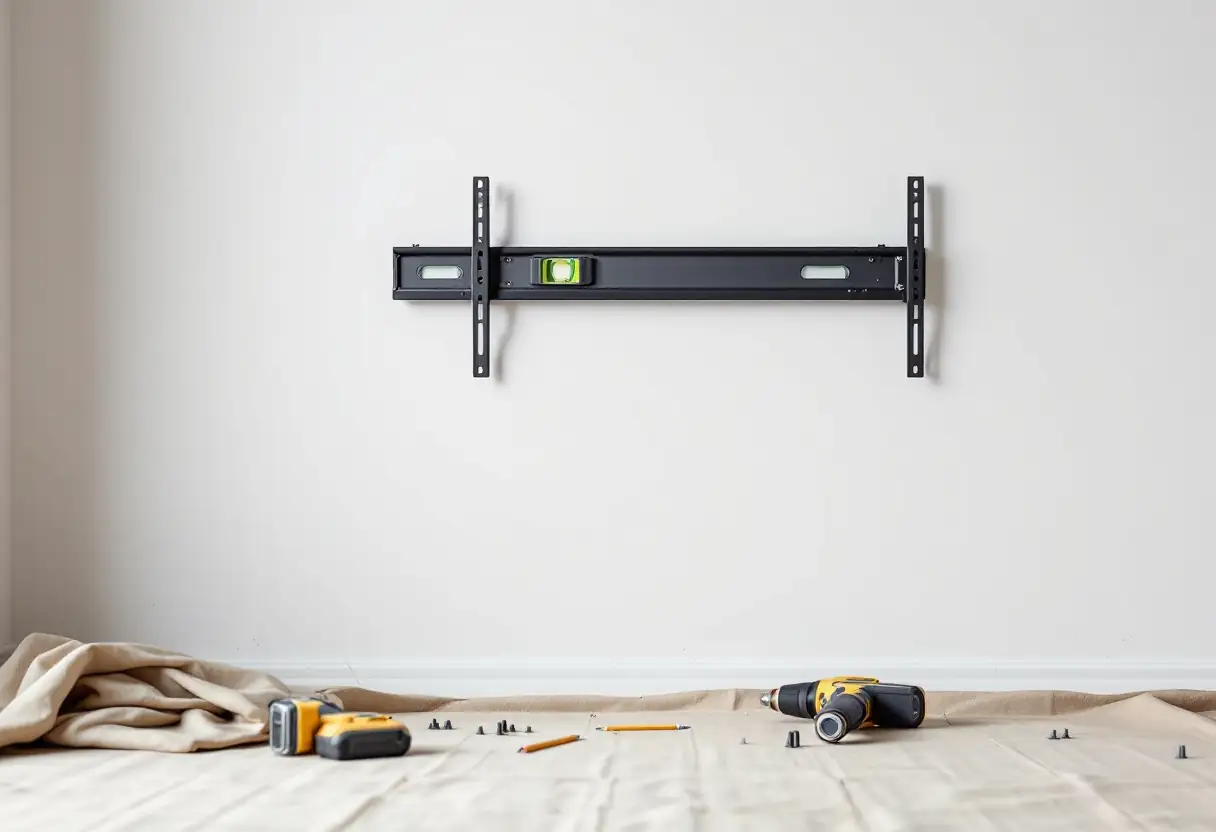
Steel stud. The standard internal partition in most apartment buildings and newer construction. It finds like timber and behaves nothing like it, because a coach screw has nothing to bite into in folded sheet steel. It needs fixings made for steel, and often a backing plate to spread the load. Our guide to mounting on plasterboard covers what is behind the sheet and why the fixing changes.
Concrete. Excellent to mount on and the most rule-bound. Proper masonry anchors, a hammer drill, and a scan first because conduit is cast into apartment walls as a matter of course. Our guide to brick, concrete and rendered walls goes through the anchors and the reasons to be careful.
Party and fire-rated walls. The wall between you and the next apartment is doing two jobs beyond holding up plaster: keeping sound out and resisting fire. Cutting into one is not the same as cutting into an internal partition, and in a lot of buildings it is not yours to cut at all.
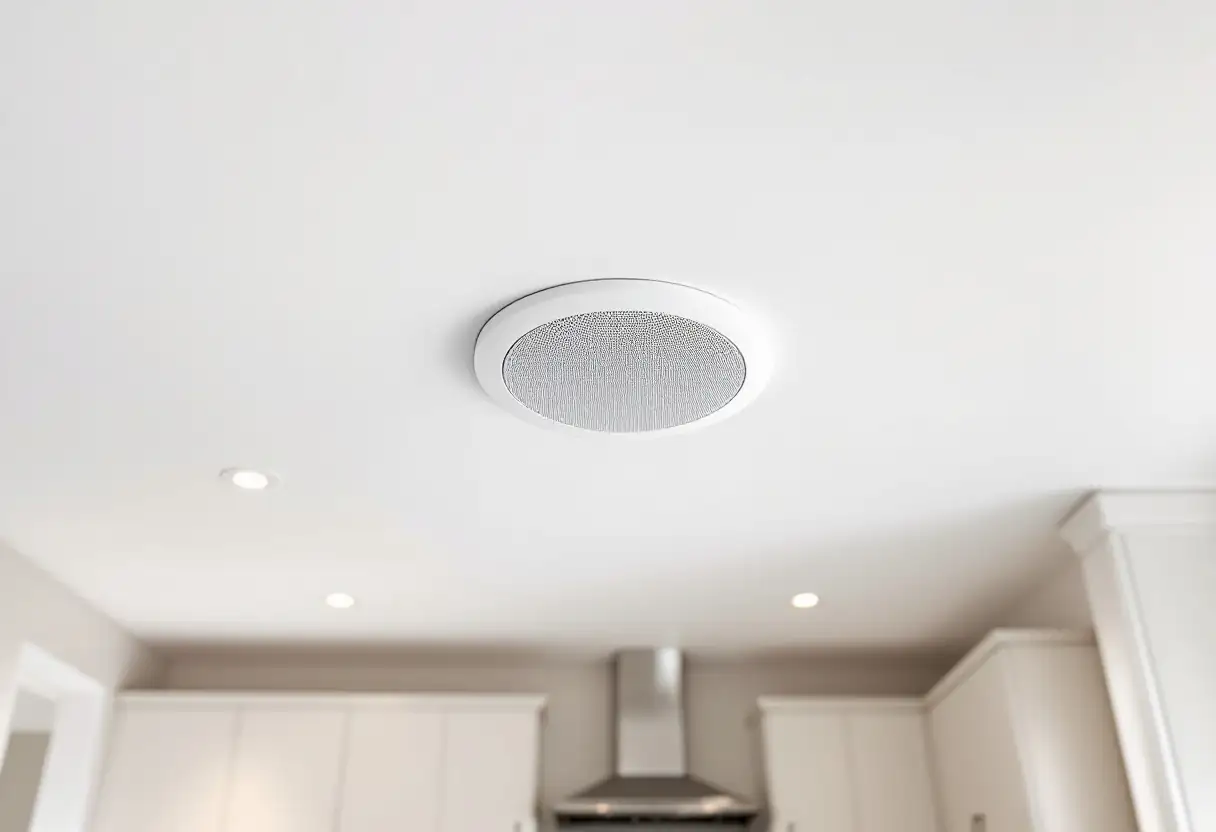
The ceiling. Do not drill one on assumption. Many apartment slabs are post-tensioned, with steel tendons under enormous load running through them, and that is a scan and an engineer rather than a confident guess. We set out why in brick, concrete and rendered walls, and it matters most for a ceiling-mounted projector or speaker.
Cables, power and the missing cavity
The thing that makes apartments awkward is not the drilling. It is that there is often nowhere for a cable to go.
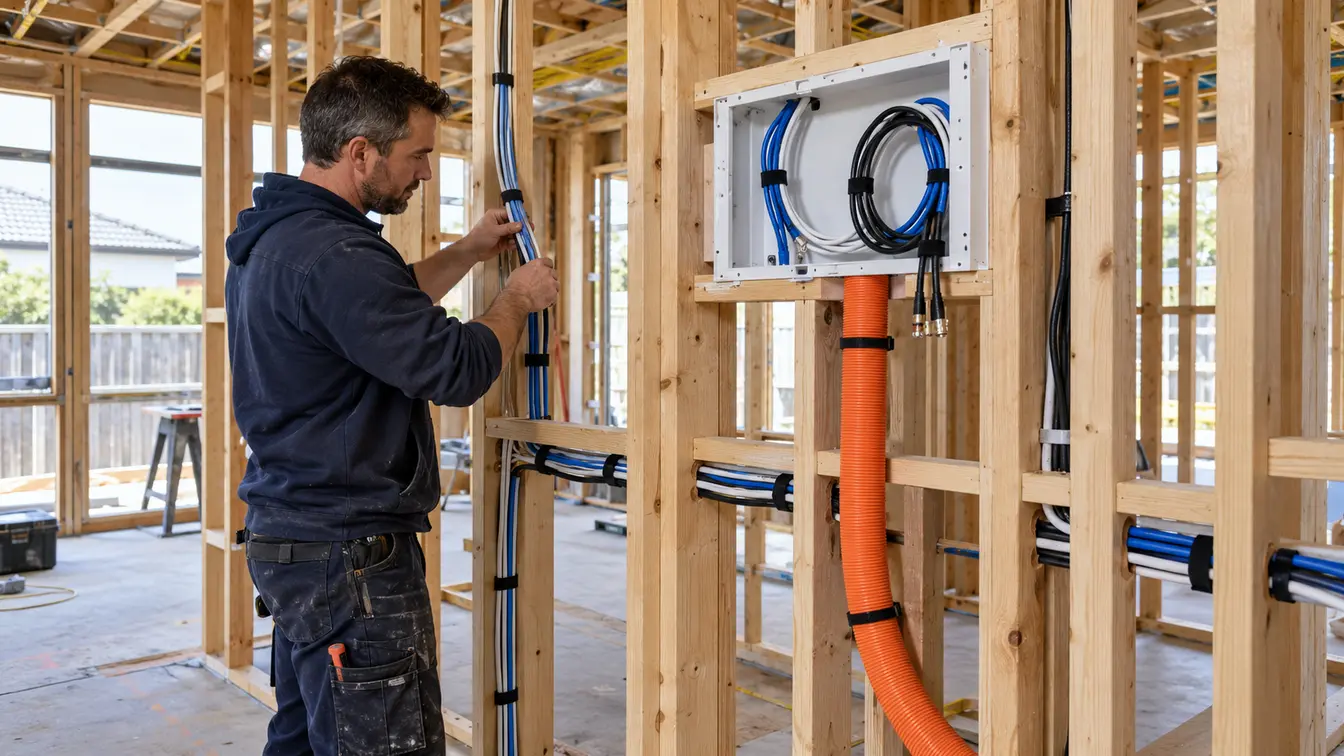
A concrete wall has no cavity at all. A steel stud wall has one, but the studs are thin, frequently already carrying services, and a party wall may be off limits entirely. So the tidy answer that works in a house, dropping cables inside the wall, is often unavailable.
What works instead is a slim surface conduit painted to match, a run through an adjoining wardrobe or cupboard, or accepting a short visible drop. Our guide to hiding cables behind a wall-mounted screen goes through what each looks like finished.
Power is the other half. An outlet behind the screen is electrical work and a licensed electrician's job, and in an apartment it is worth confirming the wall is yours before anyone quotes it. The compliant answer and the certificate you should receive are in recessed power points behind a TV.
One more, easy to forget: check the antenna point before you commit to a wall. In most Melbourne buildings the aerial is a shared system feeding every apartment, and where the outlet sits is not always where you want the television. We cover how those systems work, and whose job they are, in TV antennas for apartments and units.
If you rent the apartment
Then there are two permissions, not one, and they are separate questions.
Your rental provider deals with the tenancy side, and in Victoria a renter's position on wall mounting is stronger than most people assume. We work through it in wall mounting a TV in a rental.
The owners corporation deals with the building side, and your rental provider is the one who talks to them. A landlord saying yes does not override a building rule, and a building rule does not give you a tenancy right. Ask for both in writing.
Getting the job into the building
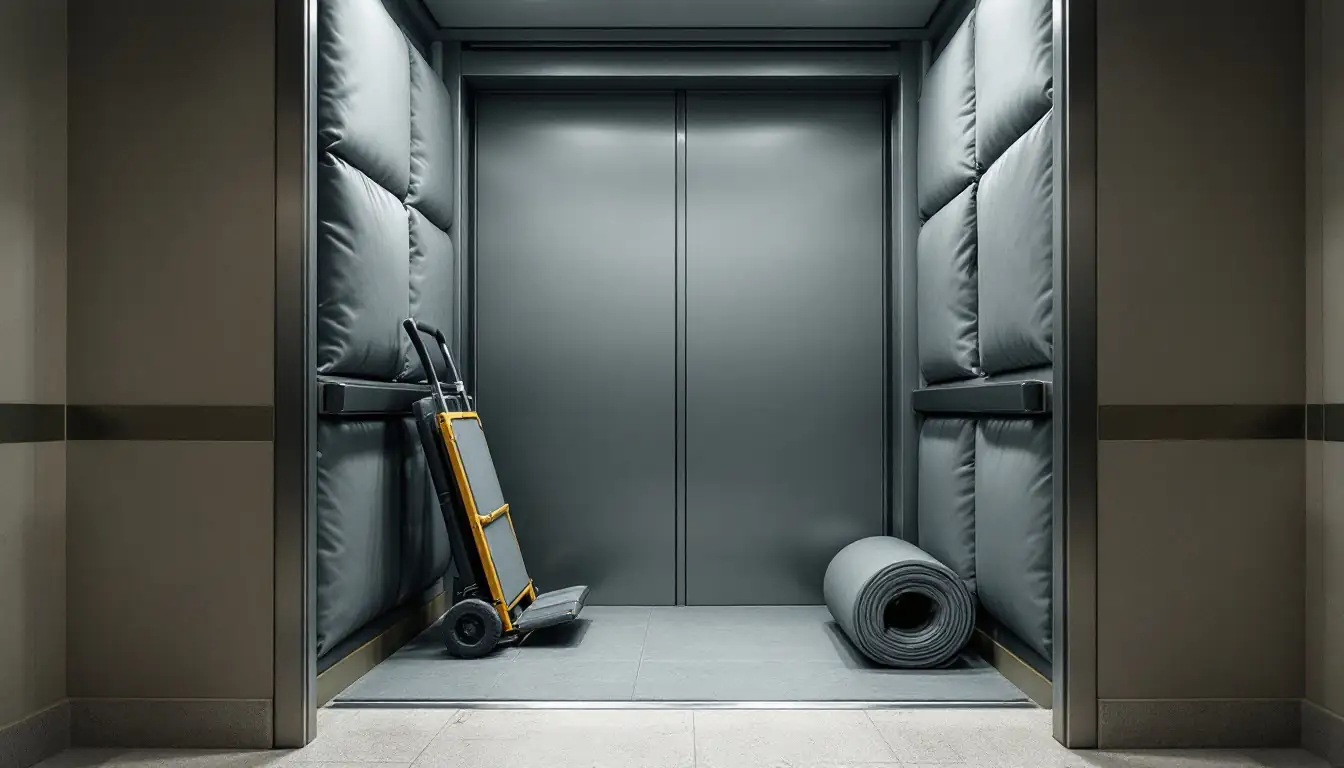
This is the part that has nothing to do with televisions and still decides which day the work happens.
Access. Someone has to let the installer in, and in a secure building that is rarely a matter of turning up. Loading bays, visitor parking and lift access often need booking days ahead.
Insurance details. Plenty of buildings want a contractor's certificate of currency before anyone is admitted. We are happy to provide ours, and it is far better handled the week before than at the front desk on the day.
Hours. Buildings commonly restrict noisy work to particular times, which is worth knowing before a hammer drill comes out on a Saturday morning.
Getting the television up there. On a large panel the lift, not the wall, is the binding constraint. Measure the carton against the lift car before you buy, which we go through in mounting a 75, 85 or 98 inch TV.
Frequently asked questions
Can I wall mount a TV in my apartment?
Usually yes, on an internal wall inside your own lot. What decides it is your plan of subdivision and your owners corporation rules, not the bracket. Ask the manager for both, in writing, and describe exactly what you intend to fix and where.
Do I need owners corporation permission to hang a TV?
It depends on the building and on which wall. Fixing to something the building owns collectively is a different question from fixing to a partition inside your apartment. Buildings can also make rules about contractors, noise and access that apply regardless.
Can I drill into the wall between me and my neighbour?
Usually not without asking, and often not at all. A party wall is doing acoustic and fire duty and is frequently common property rather than yours. It is the one wall worth checking before anything else.
What is different about mounting on steel studs?
The fixings. Folded steel gives a coach screw nothing to bite into, so it takes fasteners made for the job and often a backing plate across several studs. It is entirely routine work, but it is not the same job as a timber frame.
Can I run the cables inside an apartment wall?
Sometimes, and less often than in a house. Concrete has no cavity, steel stud walls are thin and often full, and party walls may be out of bounds. Surface conduit painted to match is a common and perfectly tidy answer here.
Can you deal with my building manager?
Yes. We can provide insurance details and work to the building's access and noise requirements, and we would rather sort that out before the day than stand in a foyer.
Apartments are good places to mount a television. The walls are usually better than a timber-framed house, the finish is often neater, and the work itself is ordinary. What is different is that the paperwork comes first and the cable route is harder than the drilling. Find out which walls are yours, read the rules, settle how the cable gets there, and the rest is a morning. We mount screens in apartments across Melbourne, Bayside and the Mornington Peninsula, we deal with building managers regularly, and we would rather check the wall is yours than find out afterwards. Have a look at our TV wall mounting page, or book a free onsite quote.