Most renters assume the answer is no, put the television on a stand, and never ask. In Victoria that assumption is usually wrong, and on the commonest kind of wall you may not need to ask at all.
Here is what the rules actually say, what happens at the end of the lease, and the short conversation worth having with your rental provider before anything goes on the wall.
The short answer
- On a plasterboard or plastered wall, screws for a wall mount are on the list of changes a Victorian renter can make without consent.
- On exposed brick or concrete, you need consent, and it cannot be unreasonably refused.
- Either way you have to restore the wall at the end of the tenancy, or pay the reasonable cost of it.
- For a television bracket that means patching and painting a few screw holes, which is a small job.
- Ask in writing anyway, even where you do not have to. It costs nothing and it settles the bond conversation two years early.
What the rules actually say
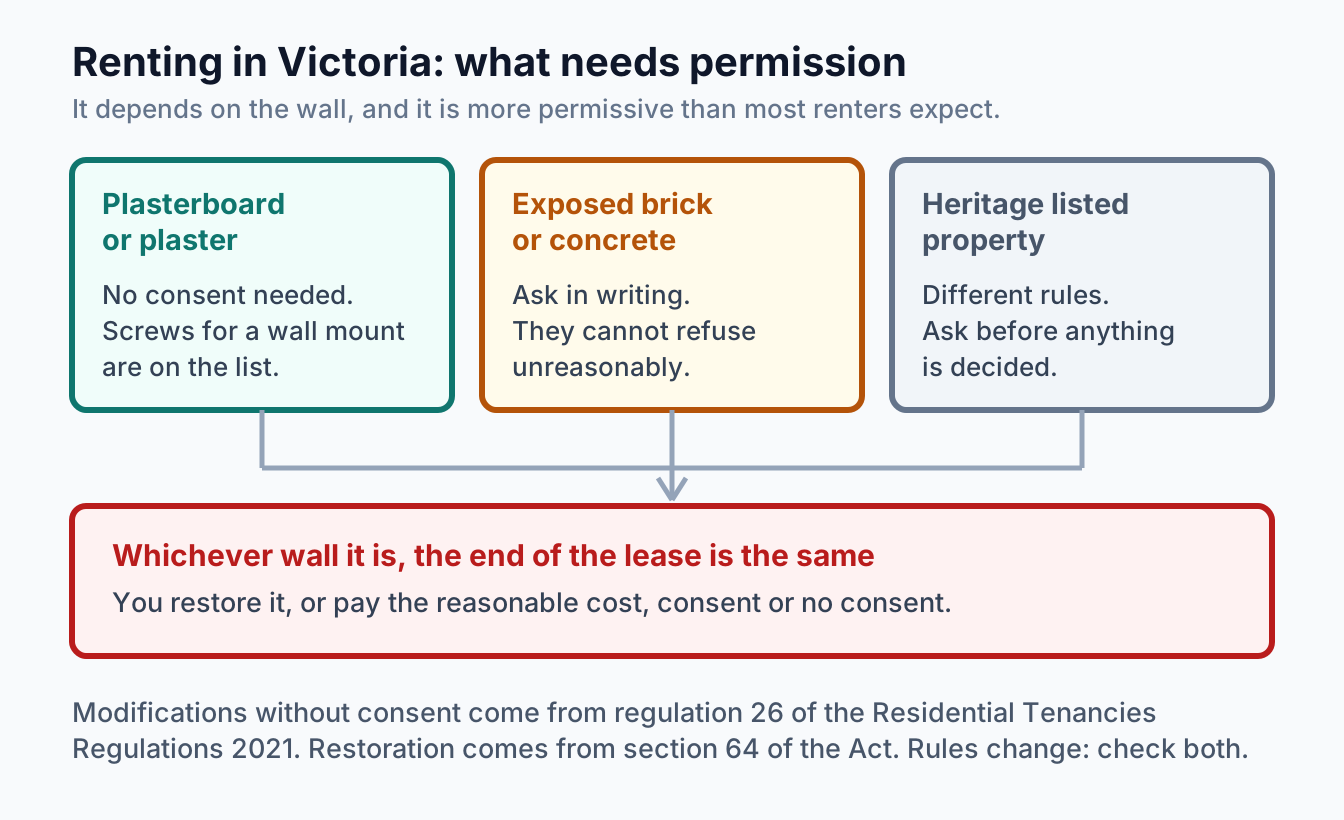
Victoria's rental laws changed in 2021 and gave renters a defined list of modifications they can make. Regulation 26 of the Residential Tenancies Regulations 2021 lists modifications which can be made without the rental provider's consent, and among them is installing picture hooks or screws for wall mounts, shelves or brackets on surfaces other than exposed brick or concrete walls.
A television bracket screwed into a plasterboard wall is squarely within that description. Most internal walls in most Melbourne rentals are plasterboard on a timber frame, which is why the common case is the permissive one.
Exposed brick or concrete is carved out of that list and handled separately: you need consent, and the rental provider cannot unreasonably refuse it. Consumer Affairs Victoria sets out the process on its page for renters making changes to the property, including how to request and what to do if you are refused.
Heritage listed properties sit outside this and need a conversation before anything else. So do rooming houses and caravan parks, which have their own rules.
We install televisions rather than practise law, so treat this as the starting point rather than the final word, and check the current position with Consumer Affairs Victoria or Tenants Victoria before you commit. Rental rules in this state have changed more than once.
The catch, and it is the important part
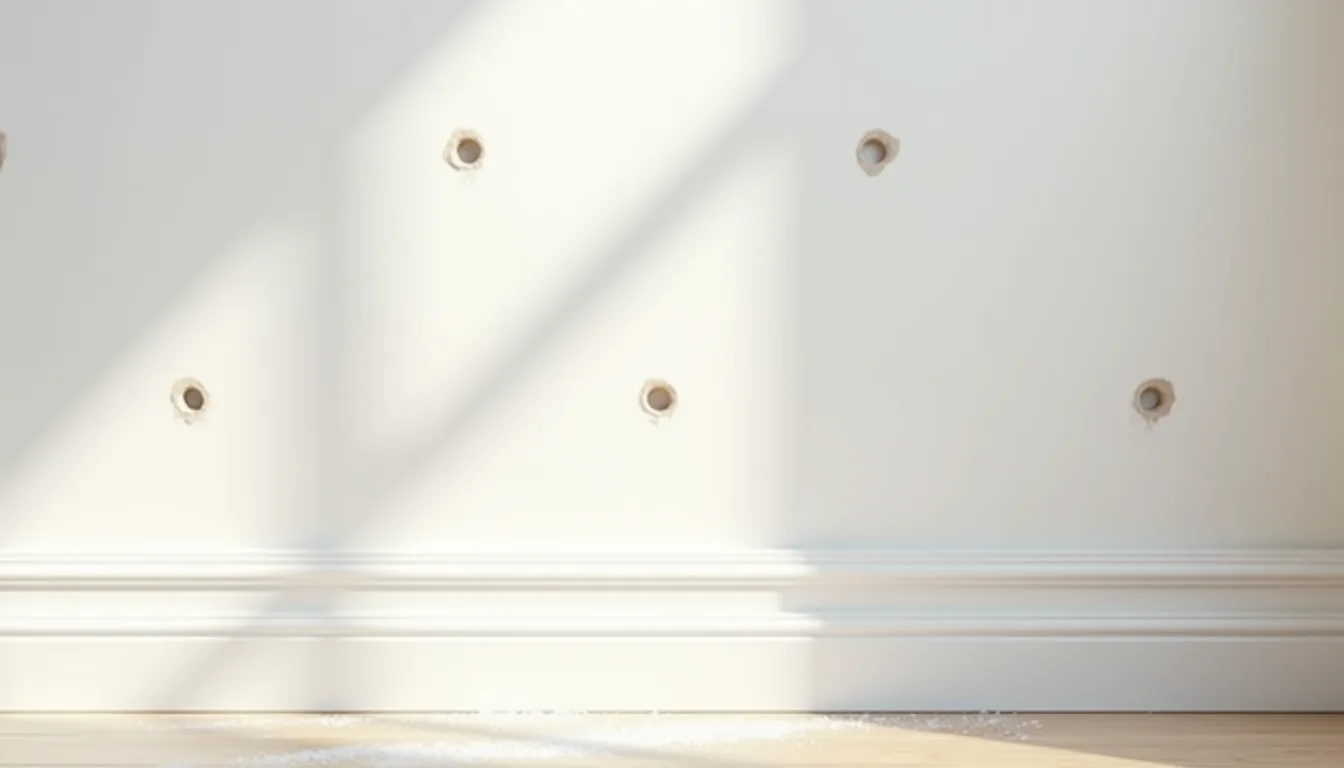
Not needing consent is not the same as not being responsible. Section 64 of the Residential Tenancies Act requires a renter who has altered the premises to restore them to their previous condition before the agreement ends, fair wear and tear excepted, or pay the rental provider the reasonable cost of doing so. That obligation applies whether or not you needed consent, which is the bit people miss.
The good news is the scale of it. A television bracket leaves a handful of screw holes in plasterboard. Filling, sanding and touching up the paint is an hour's work and a small amount of money, and a plasterer would call it nothing. It is not in the same category as removing a fitted shelf or making good a chased masonry wall.
The Act also says the rental provider may require the work to be done by a suitably qualified person. That cuts both ways, and it is a reason to have the install done properly in the first place rather than to argue about it later.
Ask anyway, and ask in writing
Even where the regulation says you do not have to, a short written message is worth sending, for reasons that have nothing to do with permission.
It gets the end of the lease agreed while everyone is friendly. Plenty of rental providers, faced with a tidy bracket on a wall and a tenant who asked, will say leave it. Getting that in writing now is worth far more than remembering the conversation later.
It also separates the two questions. What you are really negotiating is not whether you can mount it, but whether you have to take it down. Those are different, and putting them in one message avoids the final inspection surprise.
Something like this is enough. State the wall and its construction, say that the bracket will be professionally installed into the framing, note that the holes will be filled and painted at the end unless they would prefer the bracket left in place, and ask them to confirm in reply. Short, specific, and it produces a written answer you can keep.
Doing it so it does not cost you the bond
The way the job is done decides how small the making good is.
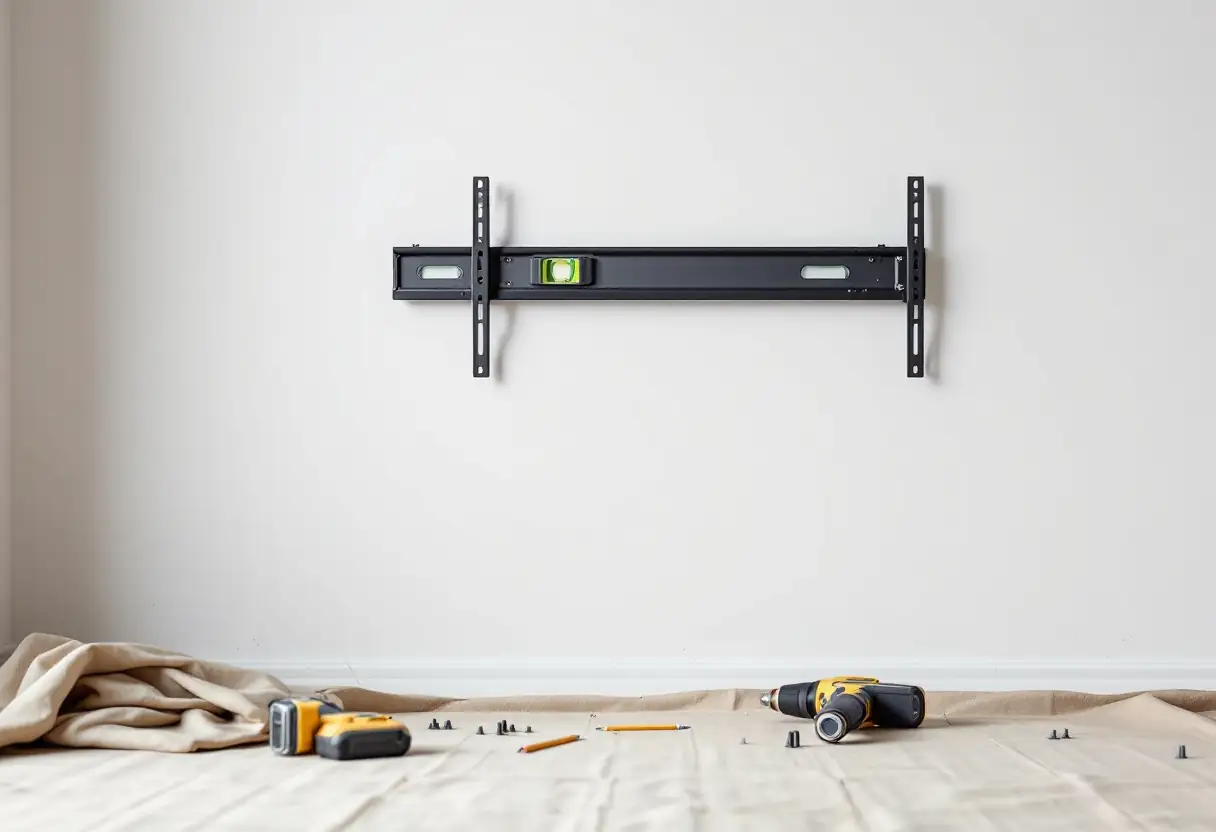
Fix into the framing, not into anchors. A bracket properly fixed to studs leaves neat screw holes. A bracket that pulls out of plasterboard leaves a torn hole the size of your fist and a genuine repair bill. Our guide to mounting on plasterboard covers what actually holds.
Keep the number of holes down. Measure once, use a level, and avoid the exploratory holes that come from guessing where the studs are. Every hole is one you fill later.
Photograph the wall before you start. It costs nothing and it is the evidence of what was already there. Do the same with the condition report at the start of the tenancy.
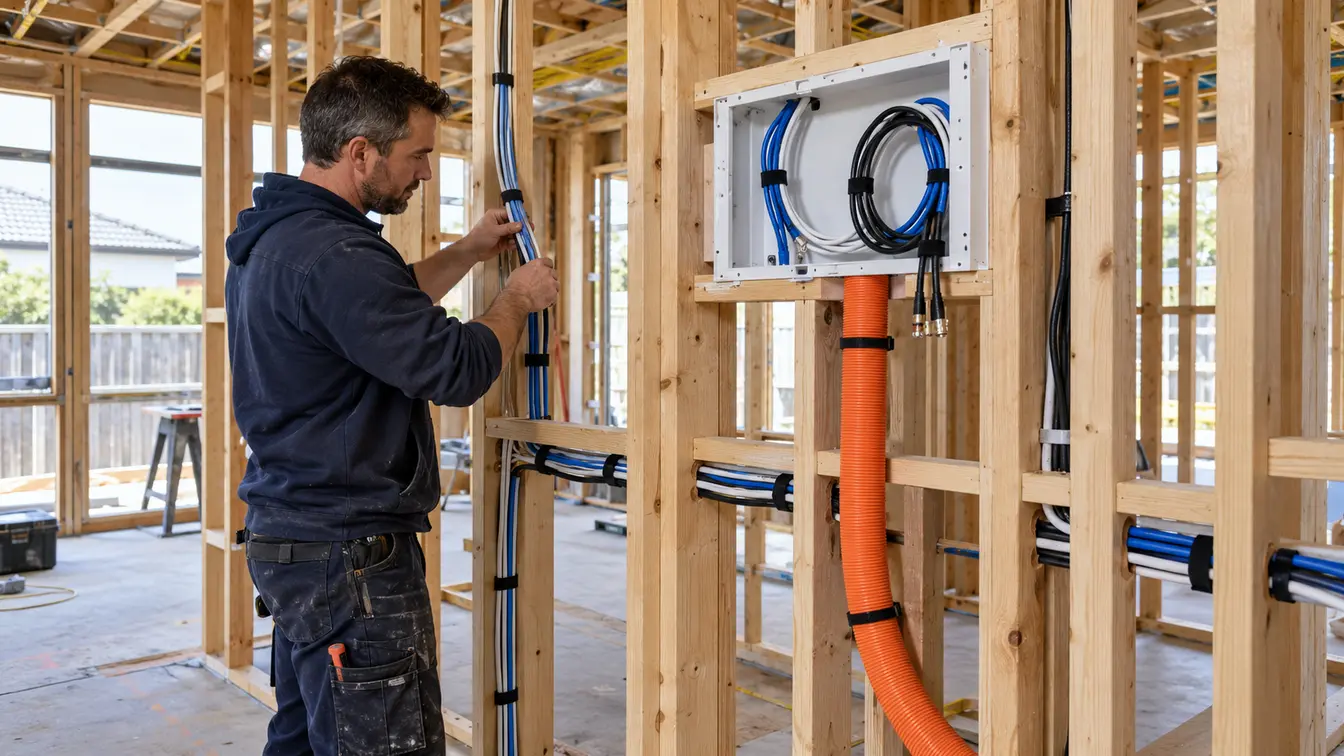
Think hard before chasing cables into the wall. Screw holes are minor. A channel cut into plaster is a real repair, and it is the thing most likely to turn a small making good into an argument. In a rental, a tidy surface conduit or a cable cover is usually the better answer, and our guide to hiding cables covers the options that do not involve opening the wall.
Do not add a power point. A new outlet behind the screen is electrical work and a permanent alteration to someone else's property. Energy Safe Victoria is clear that electrical work is not a job to do yourself, and in a rental it is a conversation with the owner rather than a decision you make.
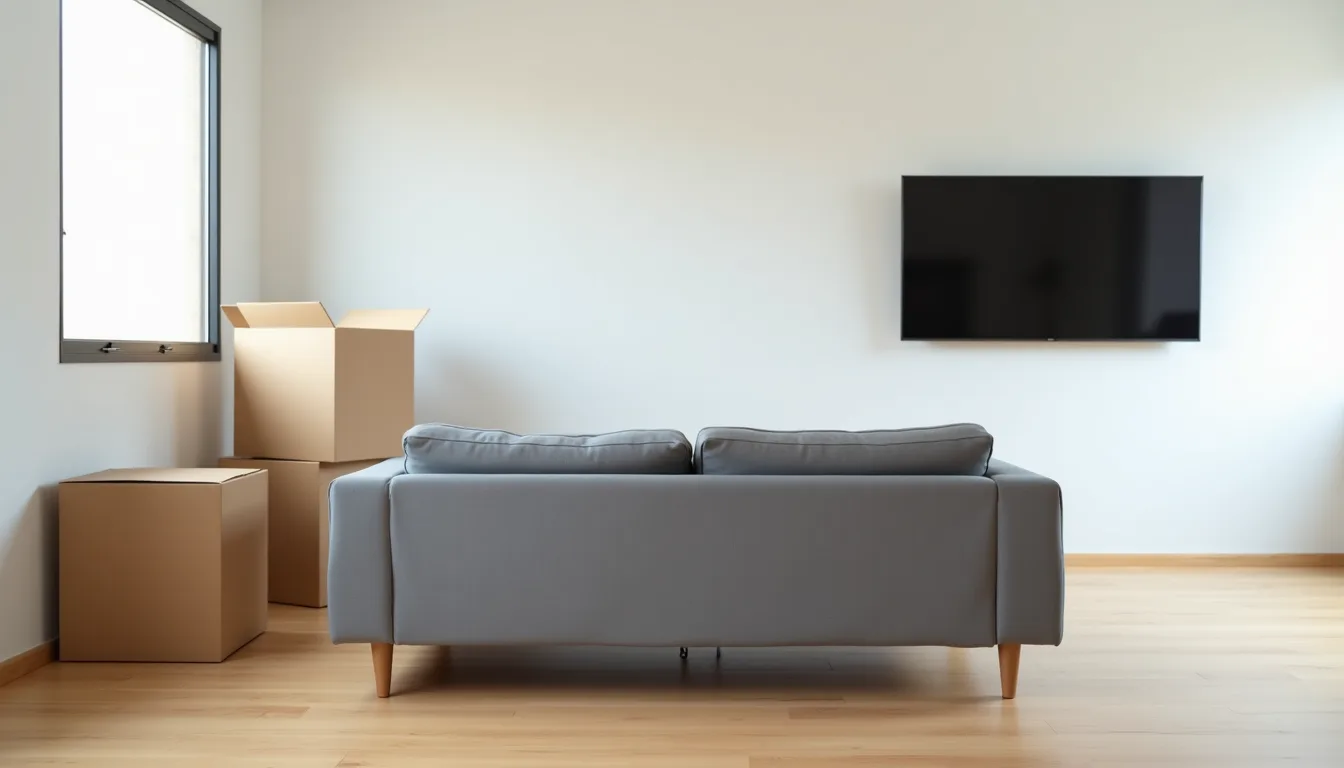
Keep the stand and the box. If the bracket does come off at the end, you will want somewhere to put the television for the last week, and our guide to moving house with a wall-mounted TV covers the rest of that day.
If the answer is genuinely no
It happens, usually with exposed brick, heritage properties or a short lease where it is not worth the fuss. There are decent alternatives.
A floor-standing TV stand with a bracket arm gives you the mounted look and the cable tidiness with nothing touching the wall. A well-chosen unit at the right height does most of what a wall mount does, and our comparison of a stand against a wall mount goes through what you actually give up.
And if the property is worth staying in, it is worth asking again at renewal. A rental provider who said no to a new tenant often says yes to one who has been there two years.
If you are the rental provider or the agent
A properly installed bracket is not damage. It is a fixture a lot of tenants now expect, it is fixed into the framing rather than hanging off the plaster, and the holes it leaves are a patch and paint.
The thing worth insisting on is that it is done properly, which the Act already allows you to require. We are happy to quote to an owner or agent directly, to provide our insurance details, and to put in writing what the wall will look like if the bracket is ever removed.
Frequently asked questions
Can I wall mount a TV in a rental in Victoria?
Usually yes. On a plasterboard or plastered wall, screws for a wall mount are on the list of modifications a renter can make without the rental provider's consent. On exposed brick or concrete you need consent, and it cannot be unreasonably refused.
Do I have to take it down when I leave?
Unless the rental provider agrees otherwise, yes. The Act requires you to restore the premises or pay the reasonable cost, whether or not consent was needed. For a bracket that means filling and painting the screw holes. Get their preference in writing early, because plenty are happy for it to stay.
What if my rental provider says no?
On a wall where consent is not required, the regulation is on your side. Where consent is required, it cannot be unreasonably refused, and Consumer Affairs Victoria sets out what to do next. Tenants Victoria is the place to go for advice specific to your situation.
Will mounting a TV cost me my bond?
Not for a few filled screw holes in a wall that was mounted properly. Bond disputes come from torn plasterboard, chased cable channels and unrepaired damage, which are avoidable with a decent install.
Can you mount it and then come back and repair the wall later?
Yes, and it is a sensible way to handle a rental. Knowing at the start that the wall will be made good at the end takes most of the worry out of the decision.
Is this the same in other states?
No. These are Victorian rules and the other states differ. If you are outside Victoria, check your own state's tenancy authority rather than assuming this applies.
The short version is that renting is a much weaker reason not to mount a television than most people think, and the part worth planning is the end of the lease rather than the start. Get the wall right, keep the holes few, and agree in writing what happens when you move out. We mount screens in rentals across Melbourne, Bayside and the Mornington Peninsula, we are happy to deal with the agent directly, and we can come back and make the wall good when you go. Have a look at our TV wall mounting page, or book a free onsite quote.